
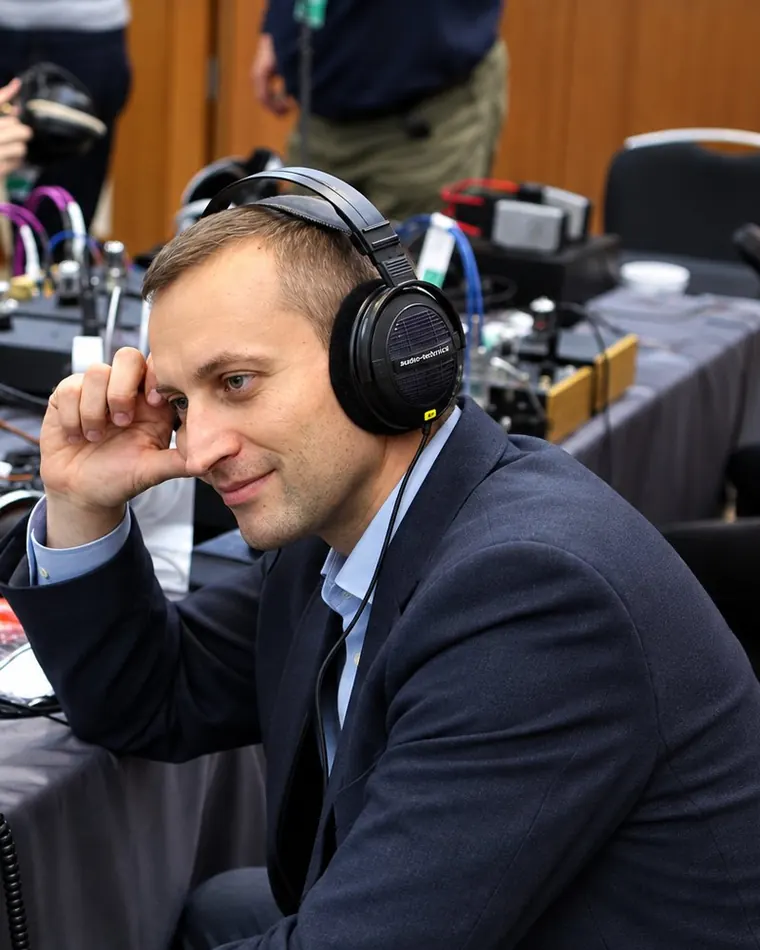
Dmitriy Gubchenko
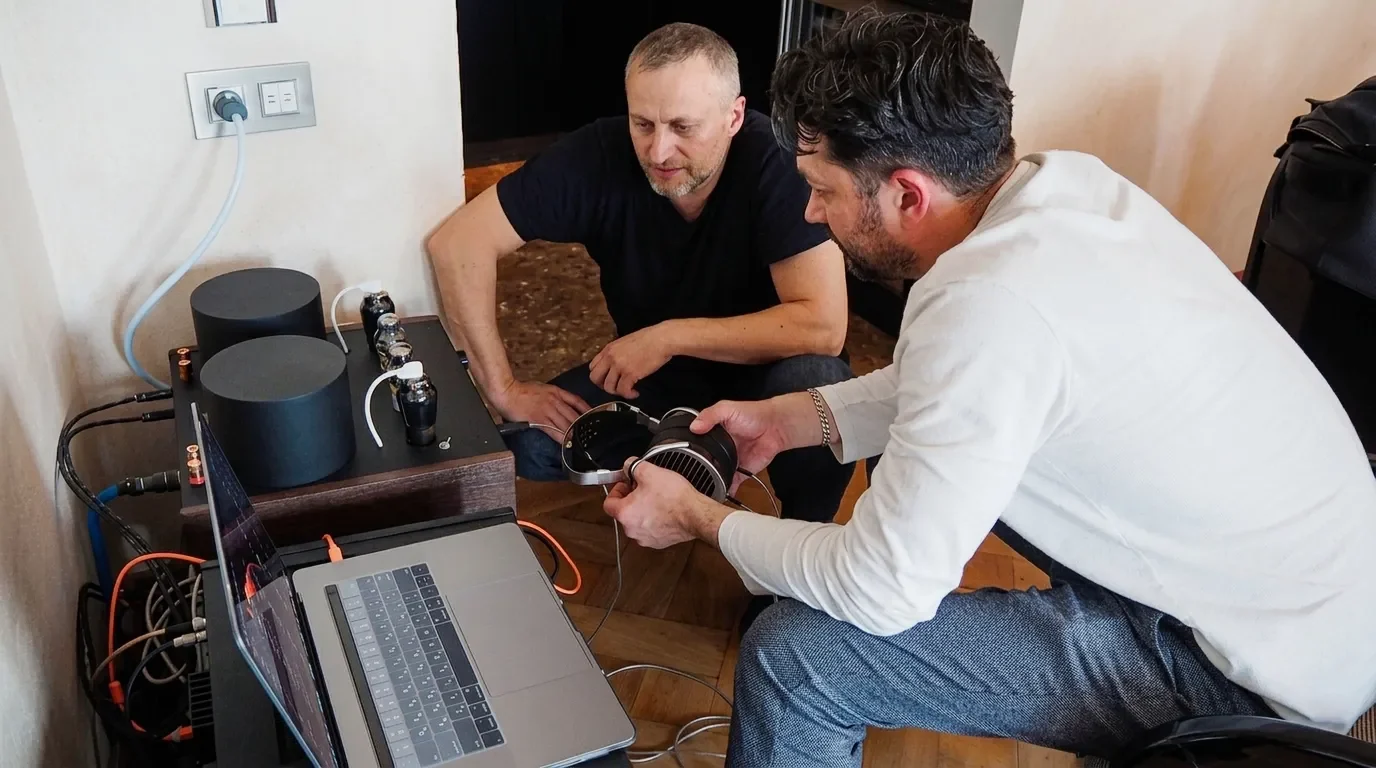
Founder of Demograf Audio. Twenty-eight years at the bench, every amplifier and DAC built to order — and one rule above all others: everything for the sound.
“It started with mods, then I began asking myself: what else can I do on my own?”
At the bench since
1998Units a year
Up to 7Who made it
From a forum handle to a tube audio brand
“Demograf” was never a surname. It was Dmitriy’s handle on Doctorhead, a headphone forum, where by the early 2010s he was already well known for his tube amplifiers. When the Polish journal HiFi Philosophy wrote about his electrostatic headphone amplifier in 2013, the handle went into the headline — and stayed on the gear.
He started in 1998, soldering tube amplifiers and his first DACs. For almost ten years he worked on other people’s high-end equipment: not repairing it, but taking it apart to the last resistor to understand why the engineers had made one choice and not another — and what stood behind a sound people recognised from the first notes.
Those years ended in a single conclusion that Demograf Audio is built on: an idea can only be carried through to the end in a chassis you designed yourself.
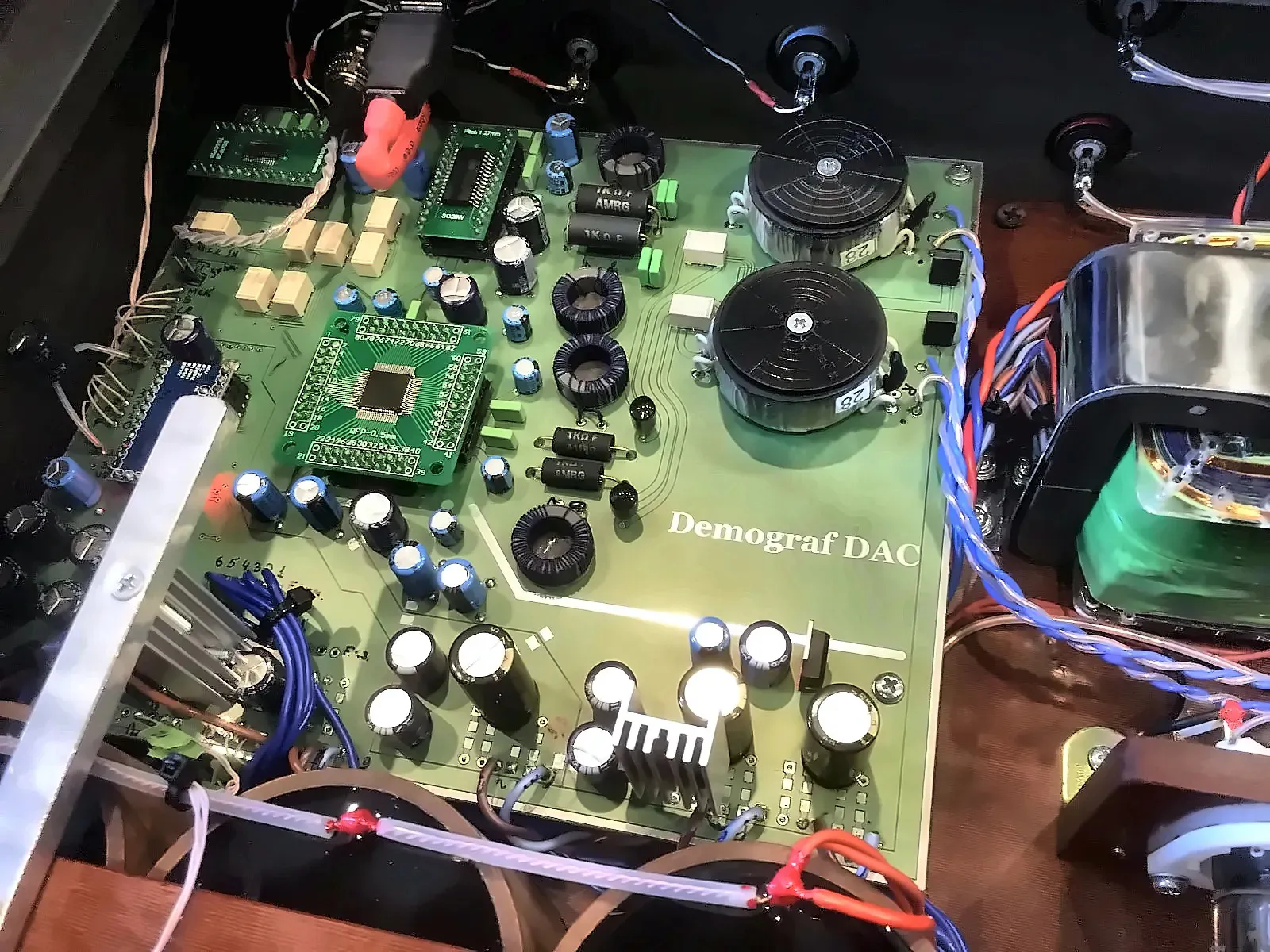
Twenty-eight years
Three units that set the direction
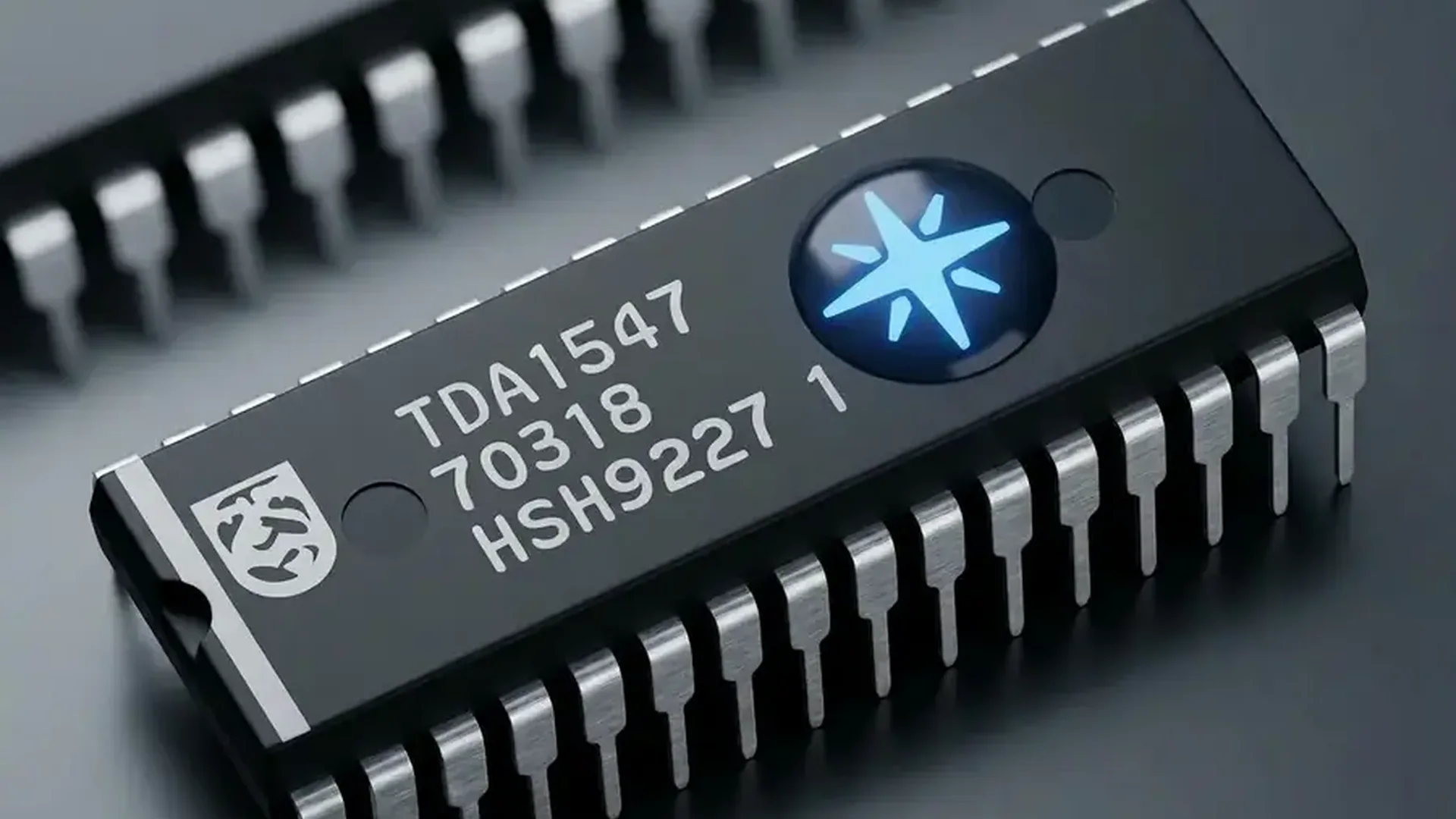
The “Aphrodite” TDA1547 DAC
The first converter under his own name, built on the Philips TDA1547, a vintage DAC chip — the start of a digital line built on the rules most Demograf Audio DACs still follow: classic converter chips, no upsampling, tube output.
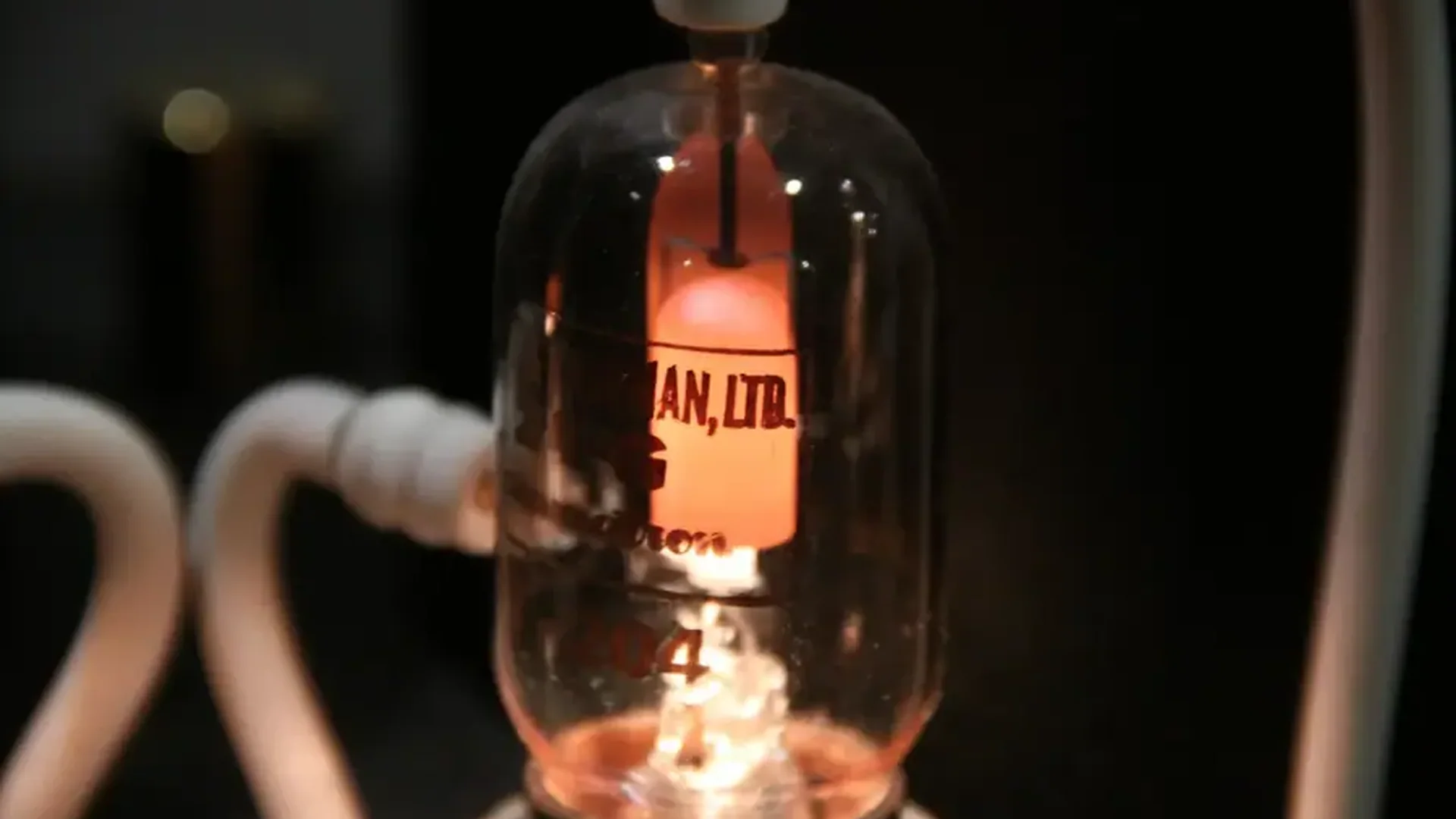
The “Tantal” 3C24 Universal Amplifier
An amplifier on tantalum-plate transmitting triodes, a tube most designers avoid. The line that grew from it leads to today’s flagship, Tantal Senior on the 4E27.
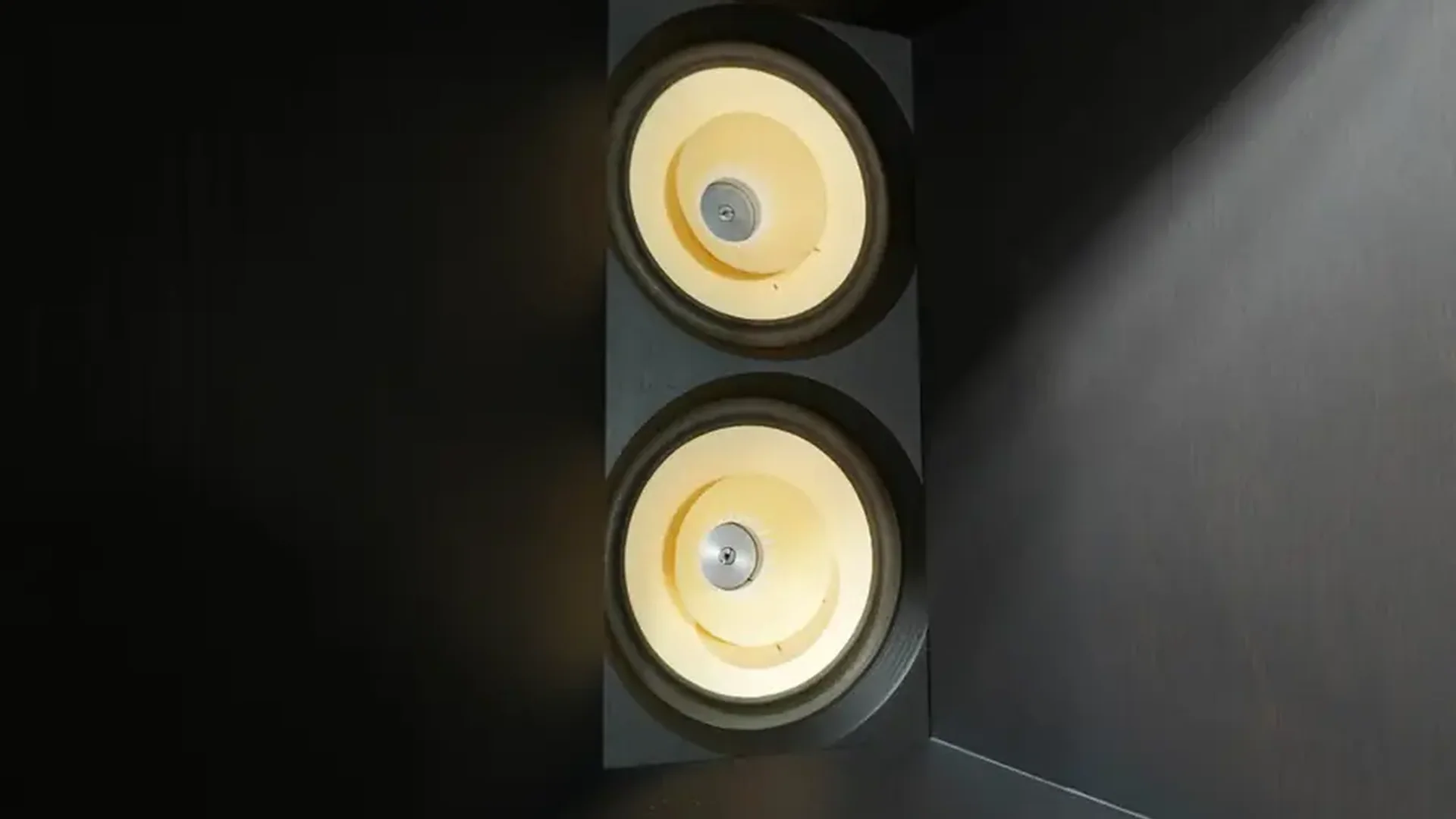
The “Orpheus” AER loudspeakers
Three-way loudspeakers built around AER drivers — the point where the school stopped being about amplifiers alone and became about the whole chain, from the power outlet to the air in the room.
What he listens to
The reference is his own listening room
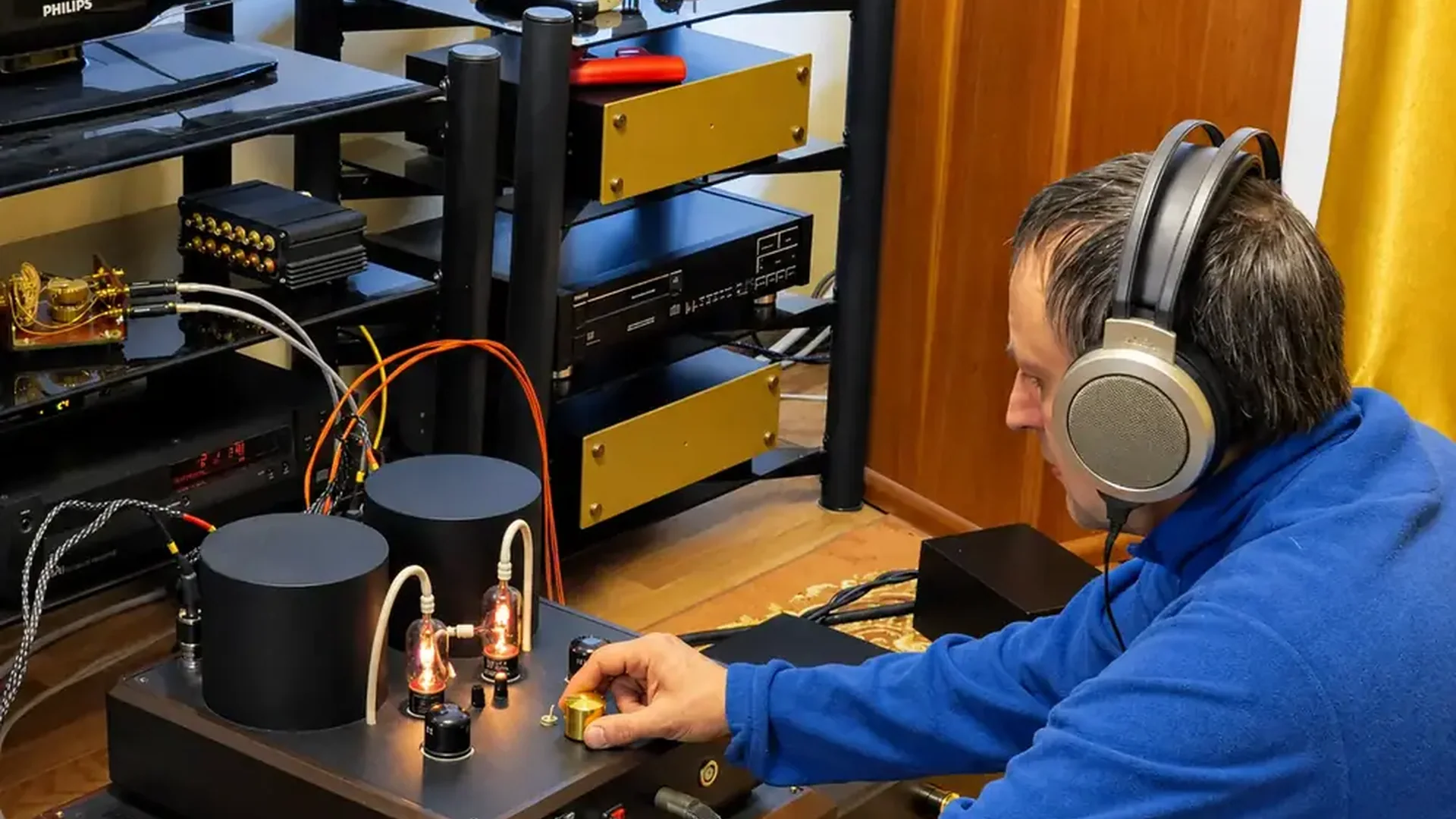
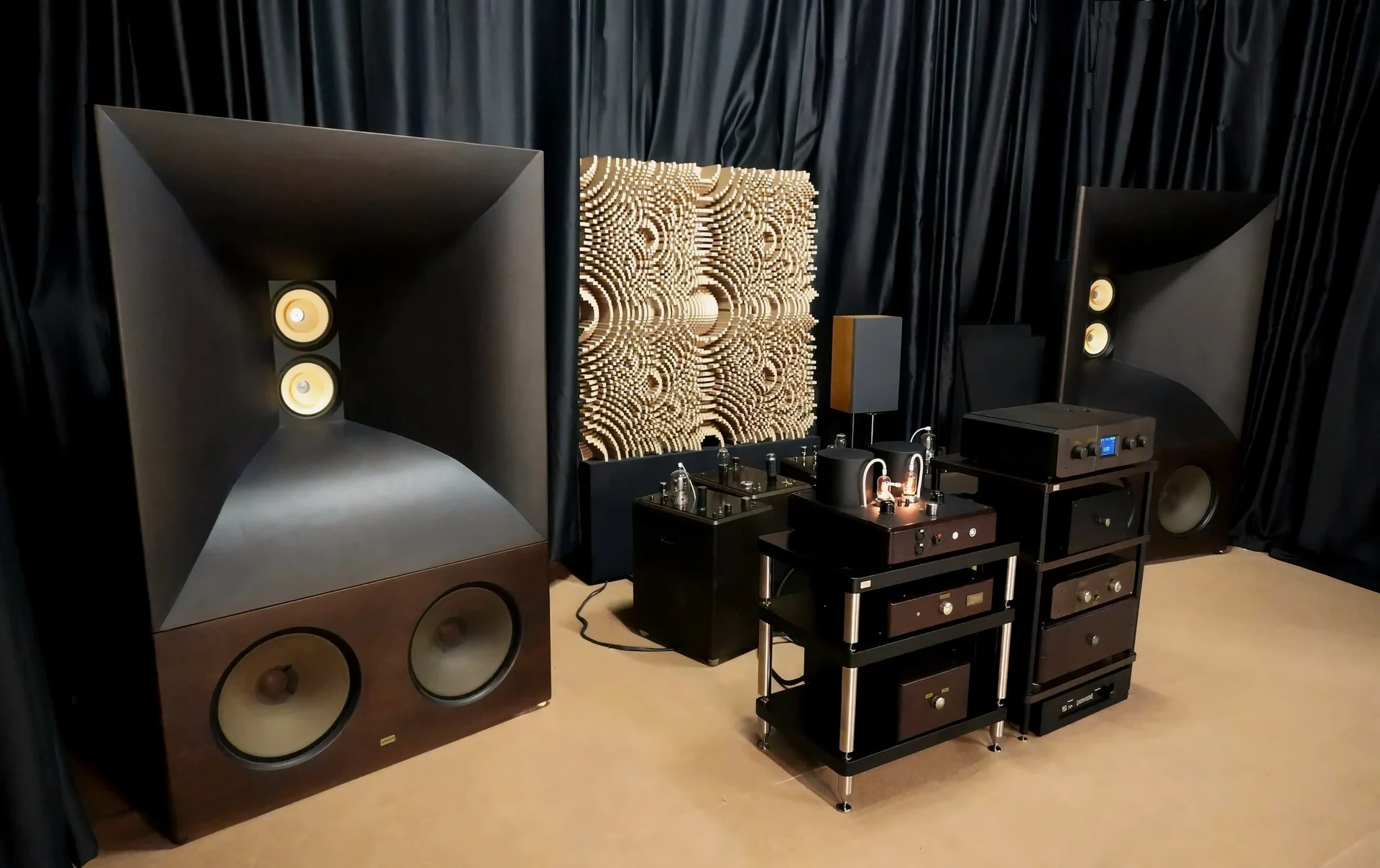
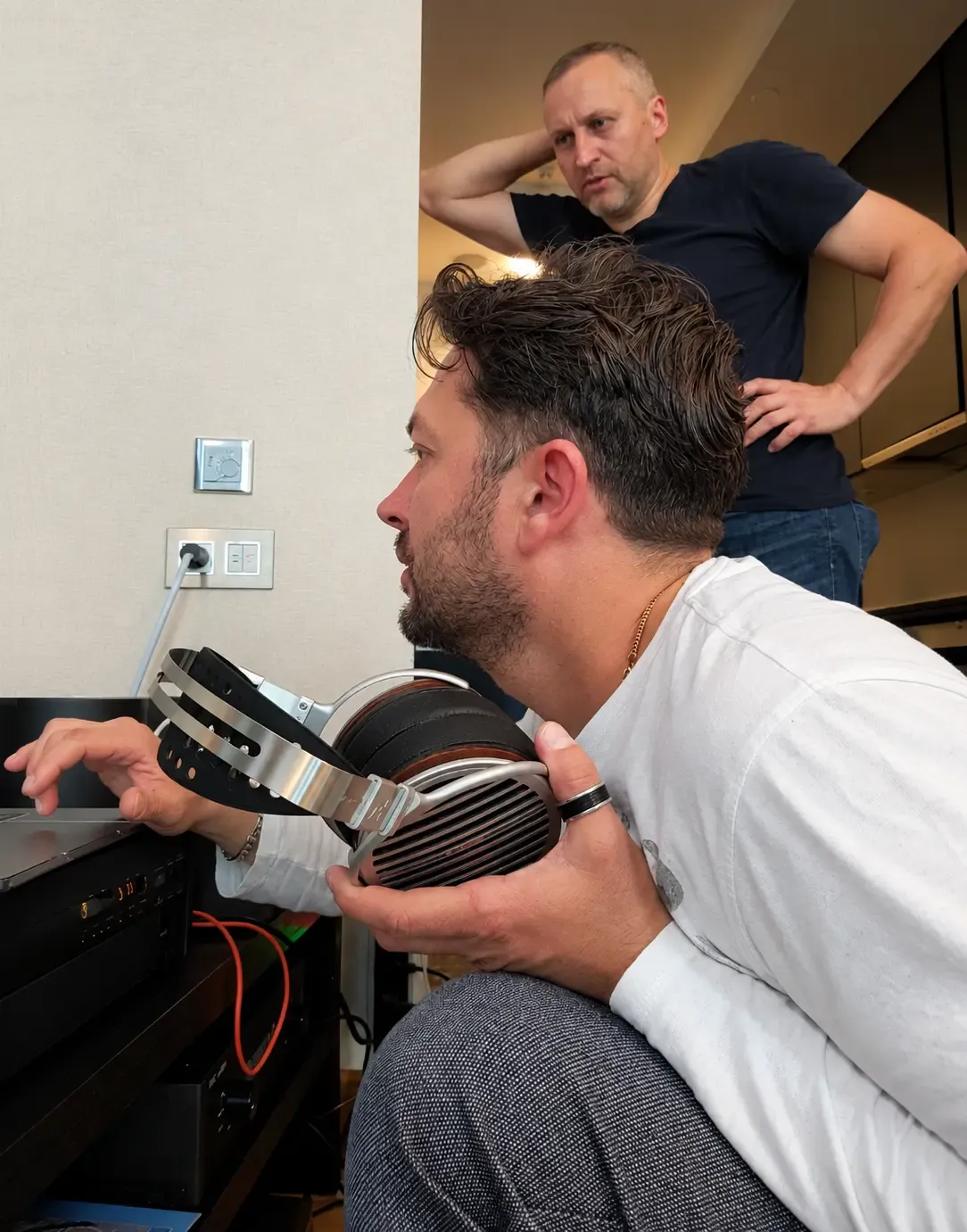
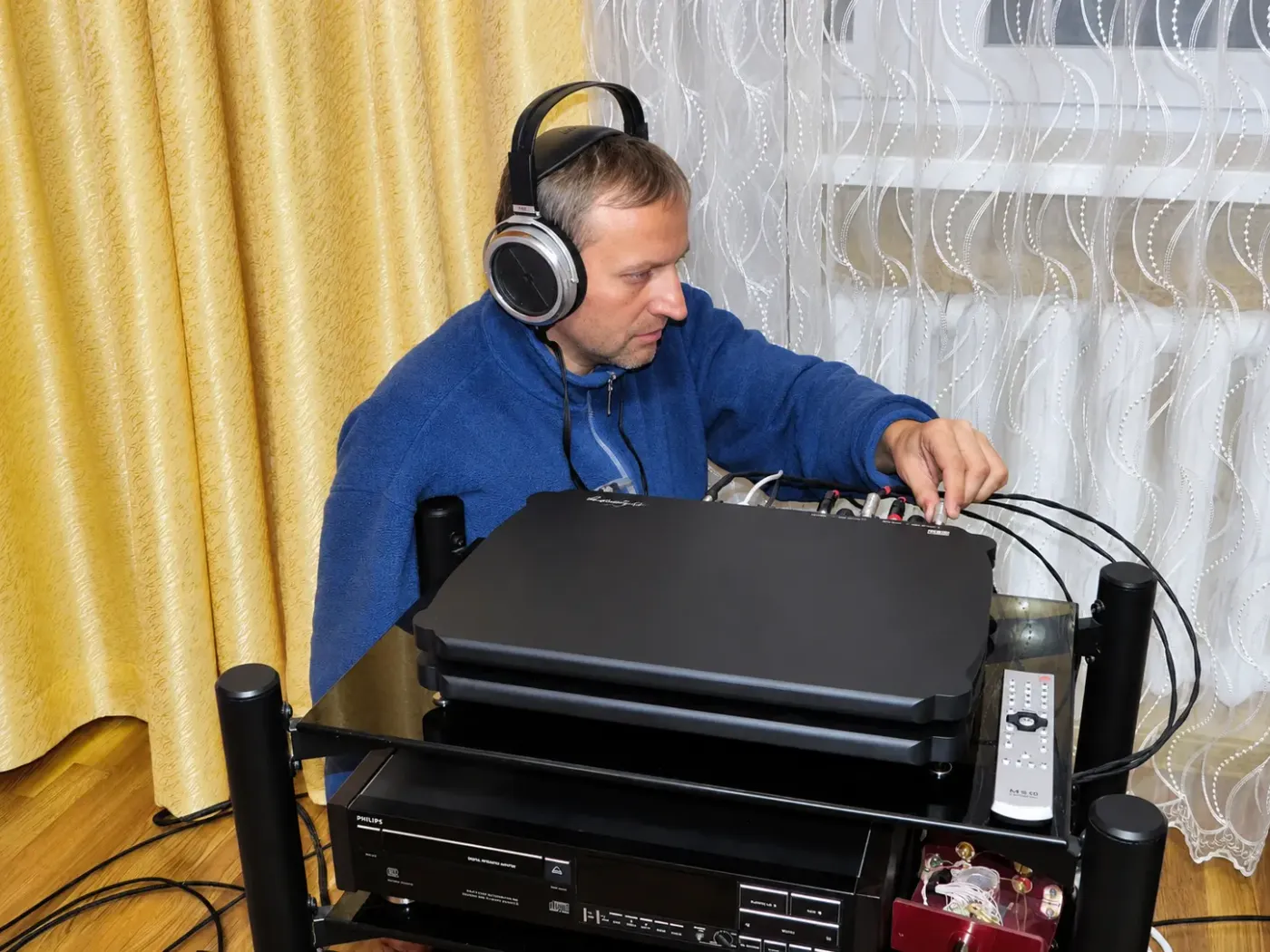
Every Demograf Audio unit is voiced against the same system: the one Dmitriy lives with. Vintage sources and multibit converters, directly heated triodes, wide-band and horn-loaded loudspeakers, and the electrostatic and planar headphones the amplifiers were designed around.
The affection for vintage equipment is not nostalgia. It is where the reference points come from — the recordings and the machines that defined what “right” sounds like before the industry started optimising for something else.
Most of what Dmitriy listens to is symphonic music, and he is often in the hall for live concerts at the conservatory. Jazz and blues come close behind. Yet his approach to equipment also means listening to rock, electronic music and even metal: Demograf Audio gear, as he sees it, has to play any genre — to be as universal as possible.
Before Demograf Audio
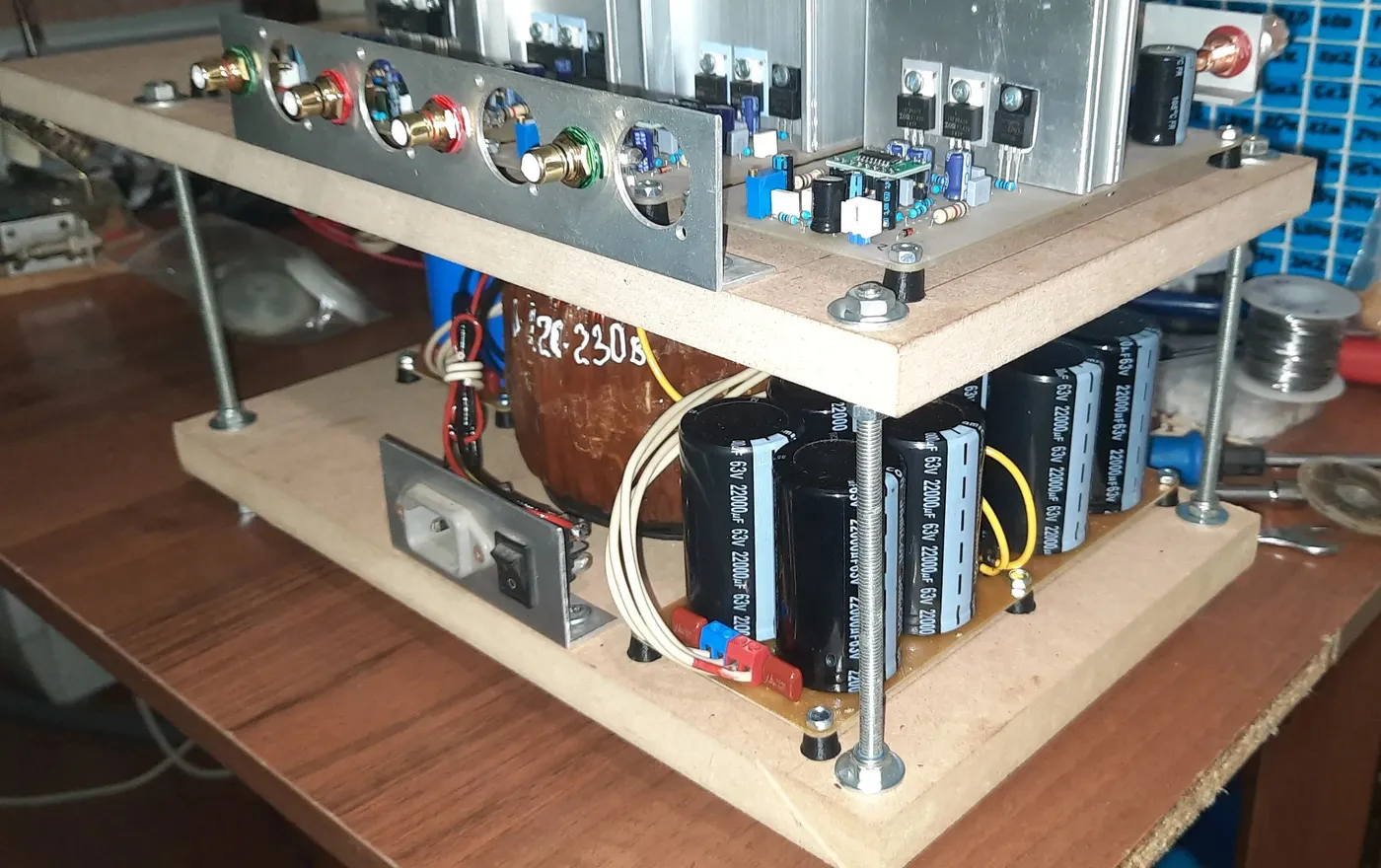
Ten years of other people’s equipment: high-end modifications
Clients came with one request: keep the voice of the original, but open up what the maker had left closed for the sake of a production run. Sometimes that meant new components inside the factory case; sometimes a donor chassis from a famous marque with entirely new electronics inside. Select a project to see the photographs and what was done.
Audio Note DAC1 donor chassis
Krell KPS-20i/L + clock
Marantz CD-15
Philips CD-304 MkII + clock
Philips LHH-1000 + clock
Philips LHH-600 + clock
Unison Research Simply 845
The projects shown in this section are historical, one-off modifications carried out at the request of private owners, on equipment that belonged to them, before the Demograf Audio product line was established. They are presented solely to document Dmitriy Gubchenko’s engineering background. Modification of third-party equipment is not offered by Demograf Audio as a current product or service.
Audio Note, Krell, Marantz, Philips, Unison Research, Burr-Brown, Valvo, Sowter and all other product and company names are trademarks of their respective owners and are used only to identify the original equipment and components. None of these companies is affiliated with Demograf Audio, took part in, authorised or endorsed the work described, or bears any responsibility for it. Where a donor chassis was used, the internal electronics are Demograf Audio’s own design.
Modifying audio equipment may void the manufacturer’s warranty and change its published specifications. Descriptions are based on the atelier’s records and on owners’ published accounts; owners’ quotations express personal opinions. Photographs show the actual units and are provided for illustration. Nothing on this page constitutes a performance guarantee or an offer.
Read the full Legal notice →Four obsessions
What he will spend a year on
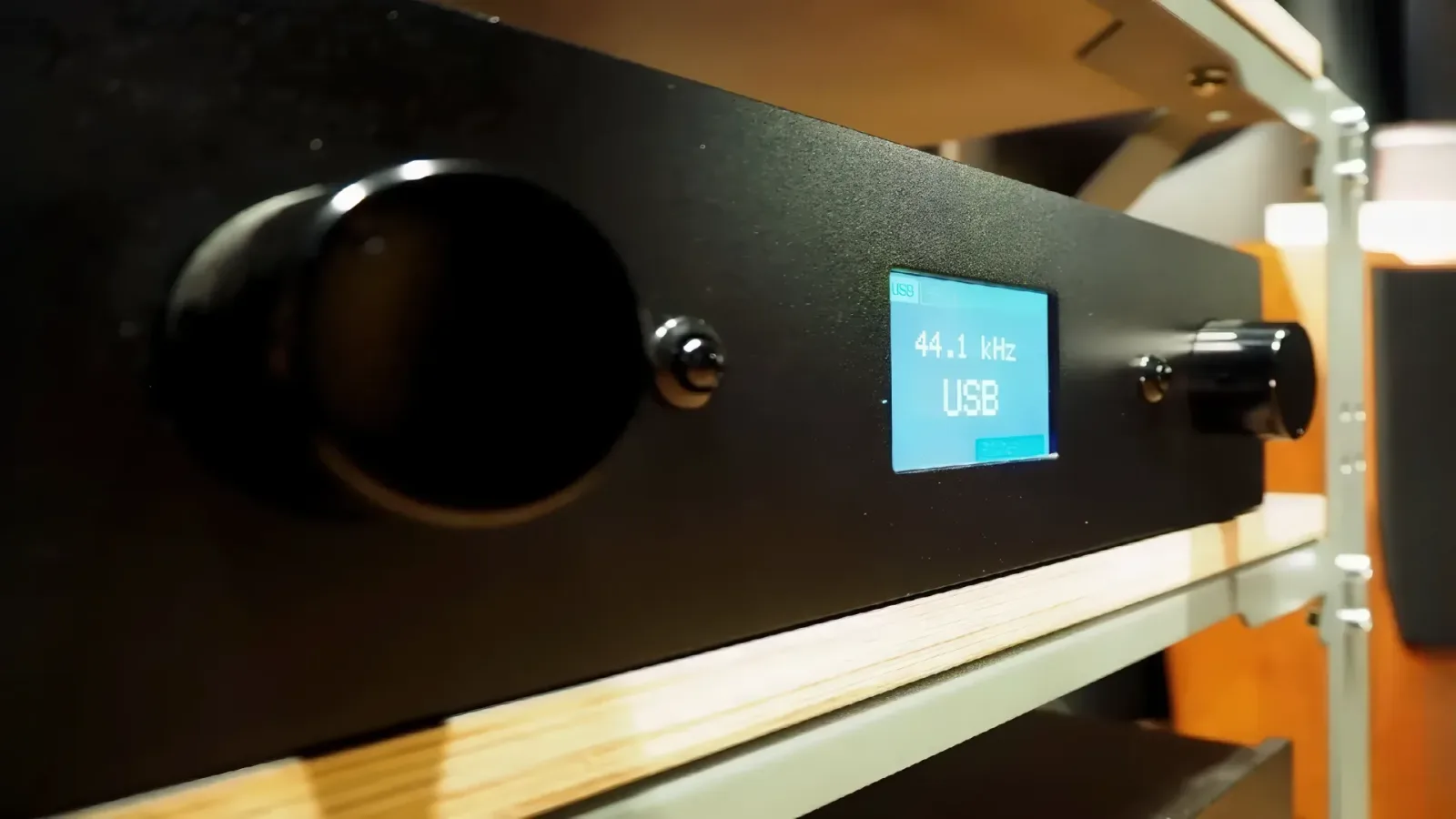
NOS and programmable-logic DACs
Digital done the hard way: receivers built on programmable logic (FPGA) feeding new-old-stock multibit converters, with no upsampling in the signal path.
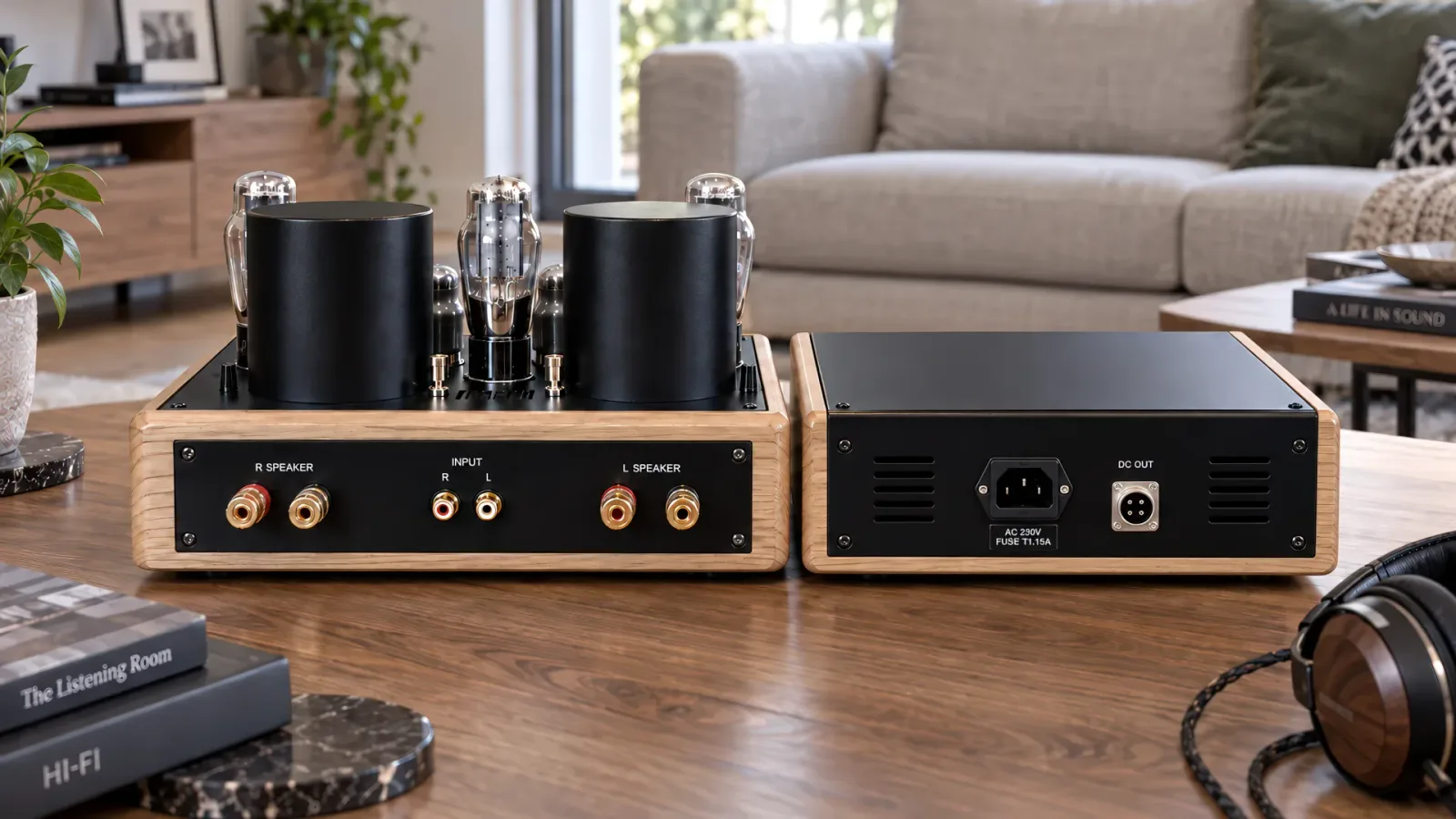
Custom transformers and chokes
Output transformers and chokes are calculated for the circuit they serve and wound to our specification; Tango, Hashimoto or Tamura transformers are fitted at a client’s request.
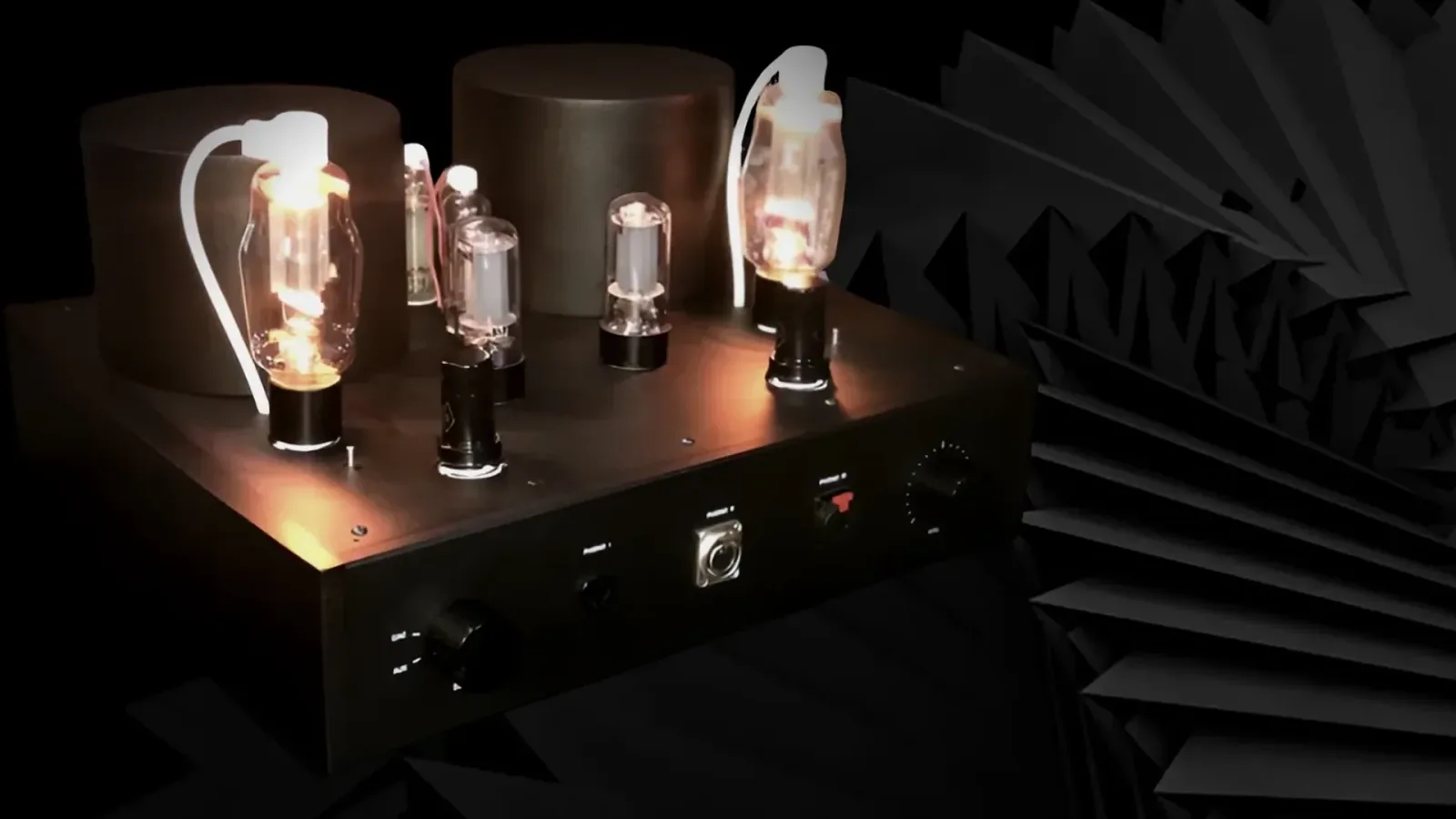
Vintage NOS tubes and copper
Vintage NOS tubes, selected transformer iron and solid-core copper — a vintage timbre that is hard to find today.
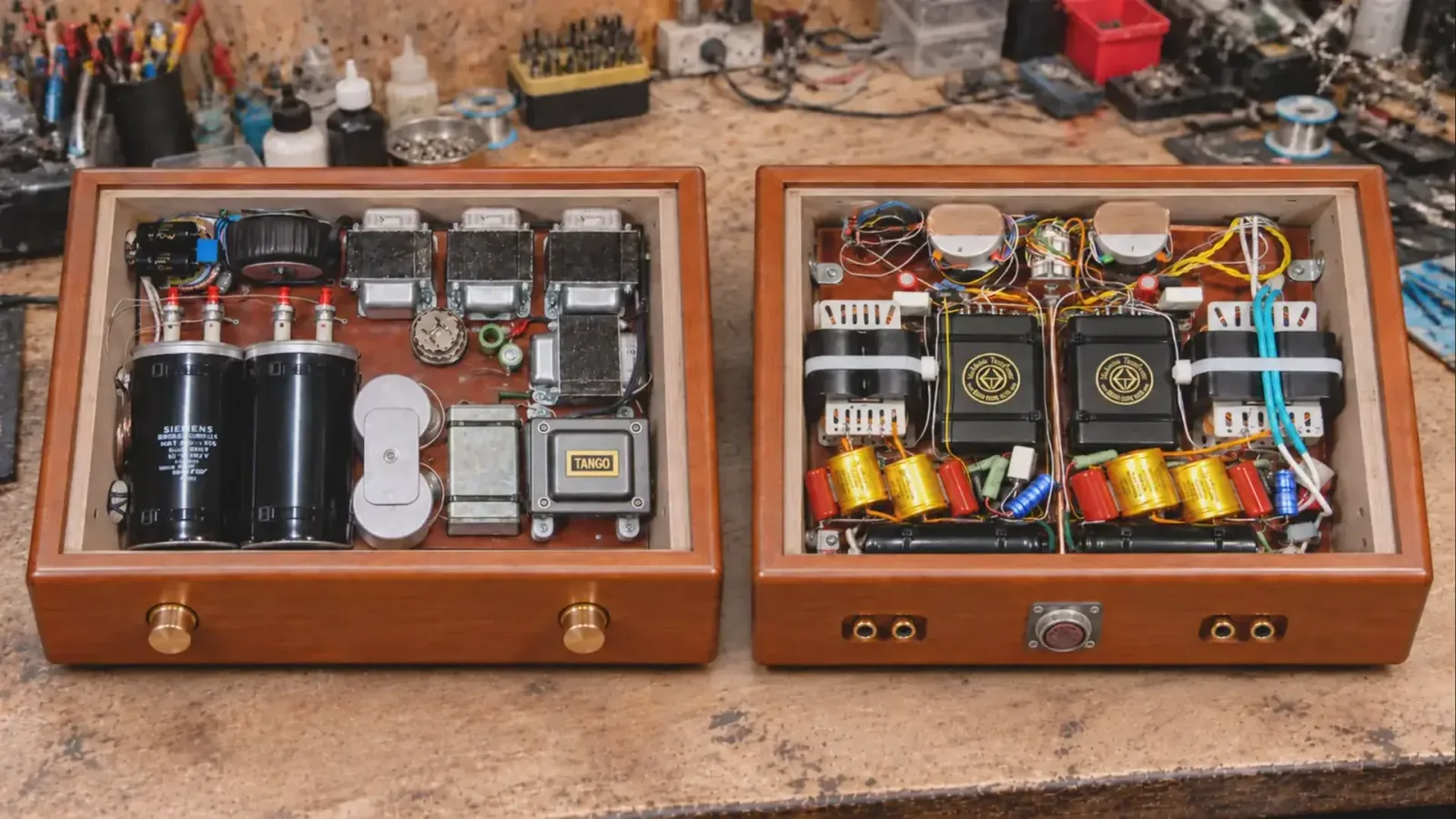
Point-to-point wiring and zero negative feedback
Hand-wired signal paths and no global negative feedback wherever the circuit allows it. Slower to build. Different to hear.
The rules
Six preferences. Six things he leaves out.
What Dmitriy prefers
- —No negative feedback where it can be avoidedWith some exceptions.
- —Multibit conversion, no upsamplingExcept where a programmable-logic chip or the Cirrus Logic CS4397 is used.
- —Transformers and chokes wound to our specificationExcept when a client asks for Tango, Hashimoto or Tamura transformers.
- —Vintage NOS tubeschosen for each circuit and matched by ear
- —Proprietary “RareCoreFusion” alloythe wiring developed over years of listening
- —A system built for the owner’s musicvoiced by ear for the genres it will actually play
What he leaves out
- —Parts he cannot vouch forEach component is chosen for the circuit it serves.
- —Anything fast at the expense of qualityA good unit takes the time it takes.
- —Hard-to-drive loudspeakersHe prefers easy loads, ideally 8 Ω and 95 dB or more.
- —Chassis or copper of a lower gradeHe prefers vintage solid-core copper and high-grade silver with rare-earth admixtures.
- —Current-generation converter chips in his own DACsHe chooses classic chips, because natural timbre comes first.
- —Power supplies without galvanic isolationand without a switchable ground of their own
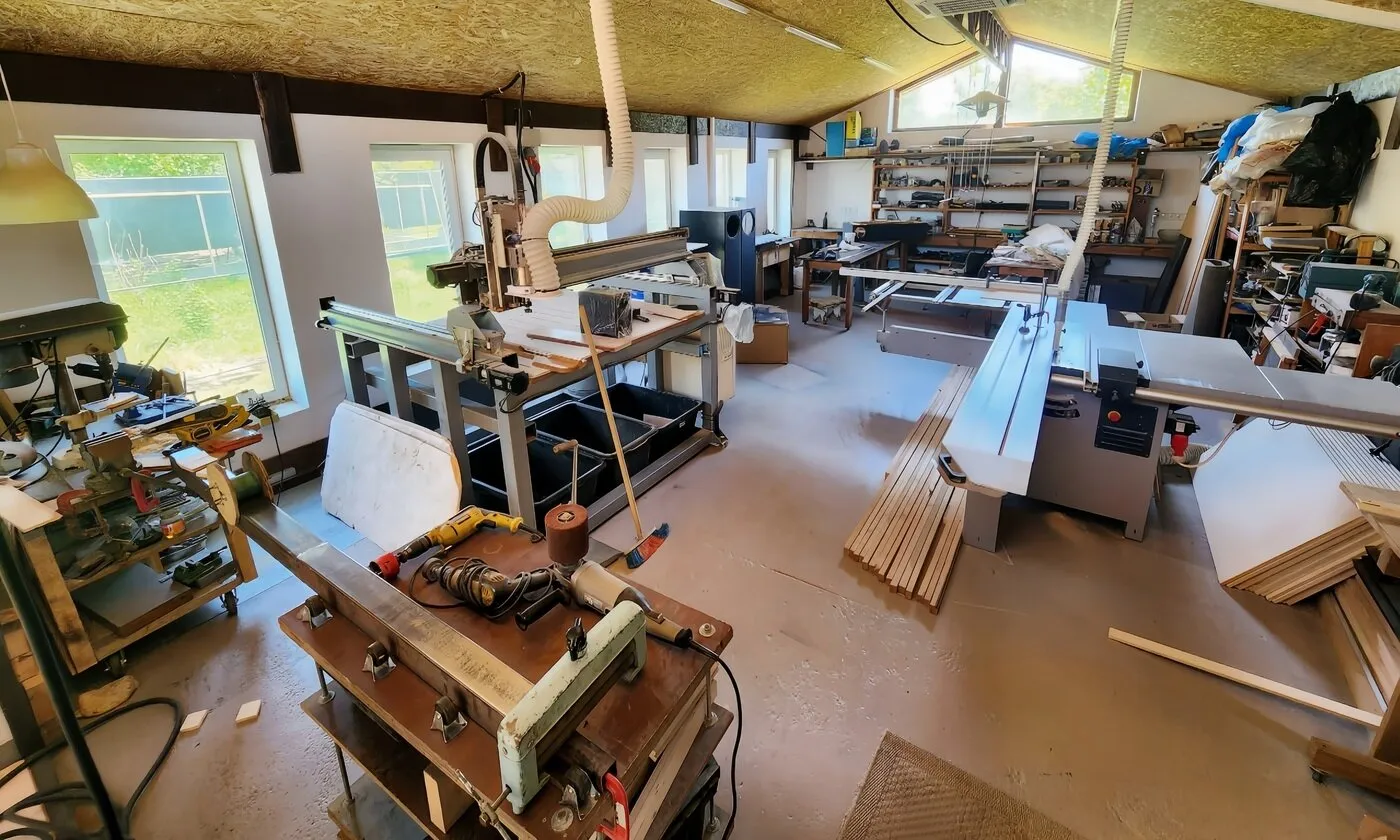
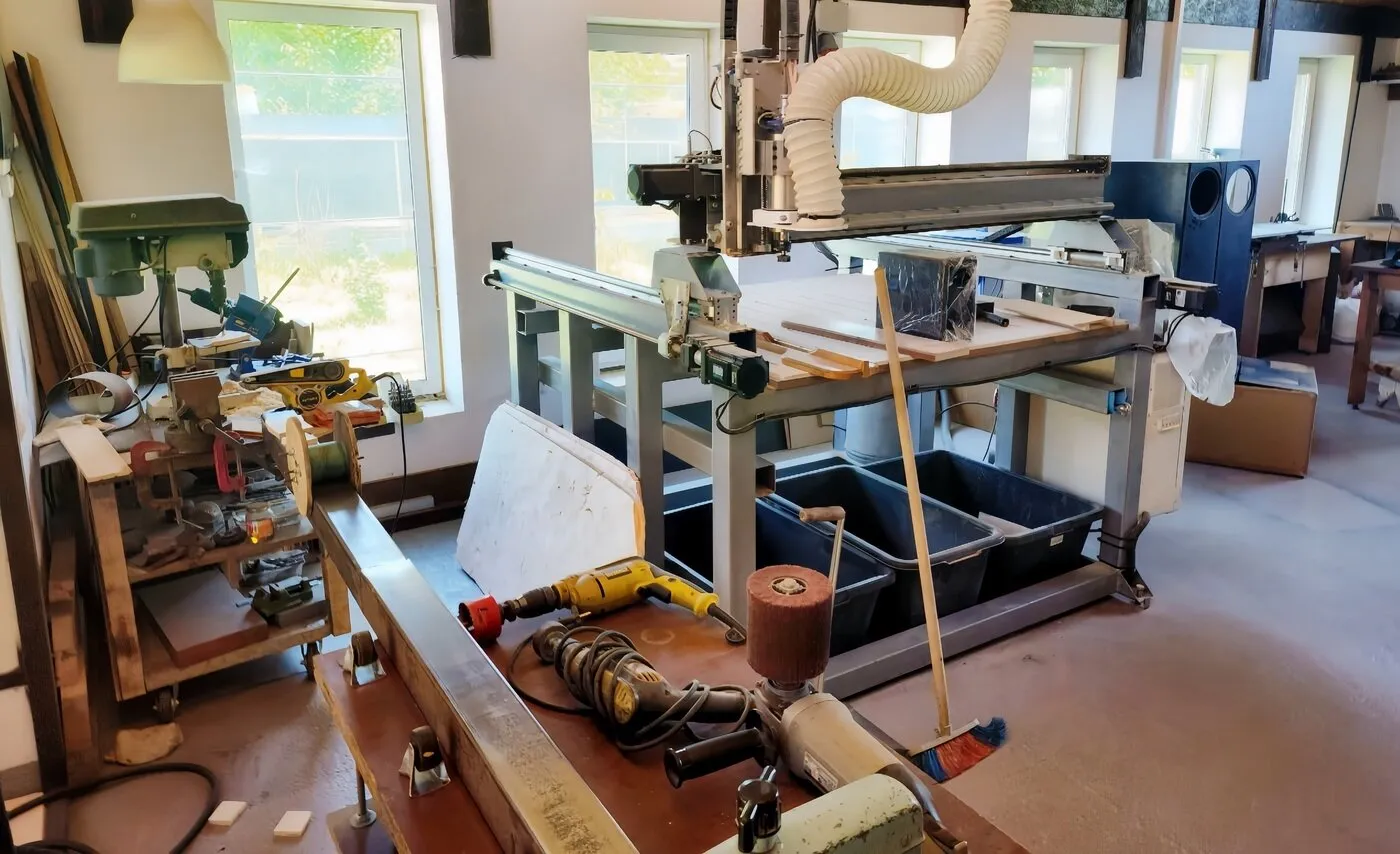
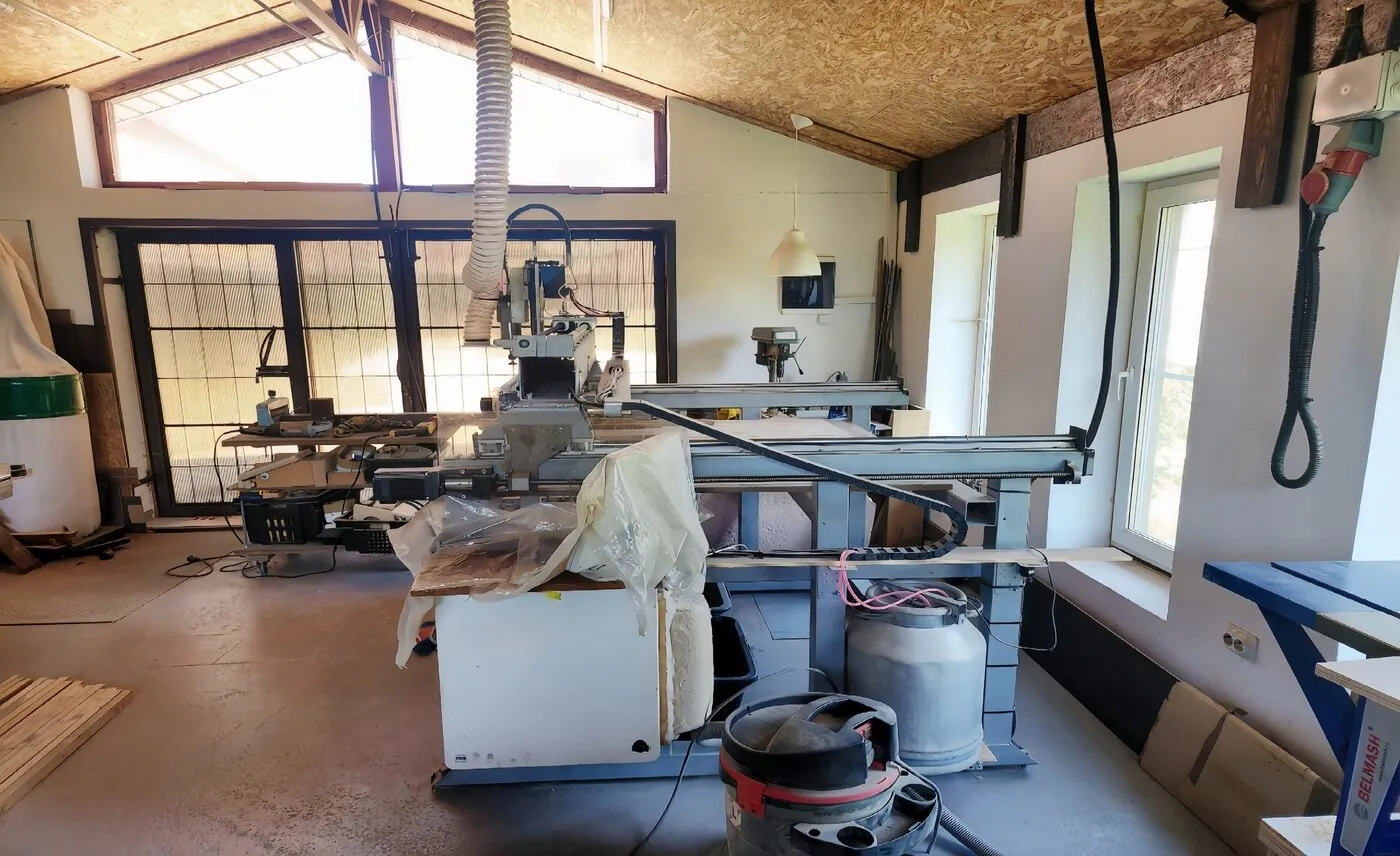
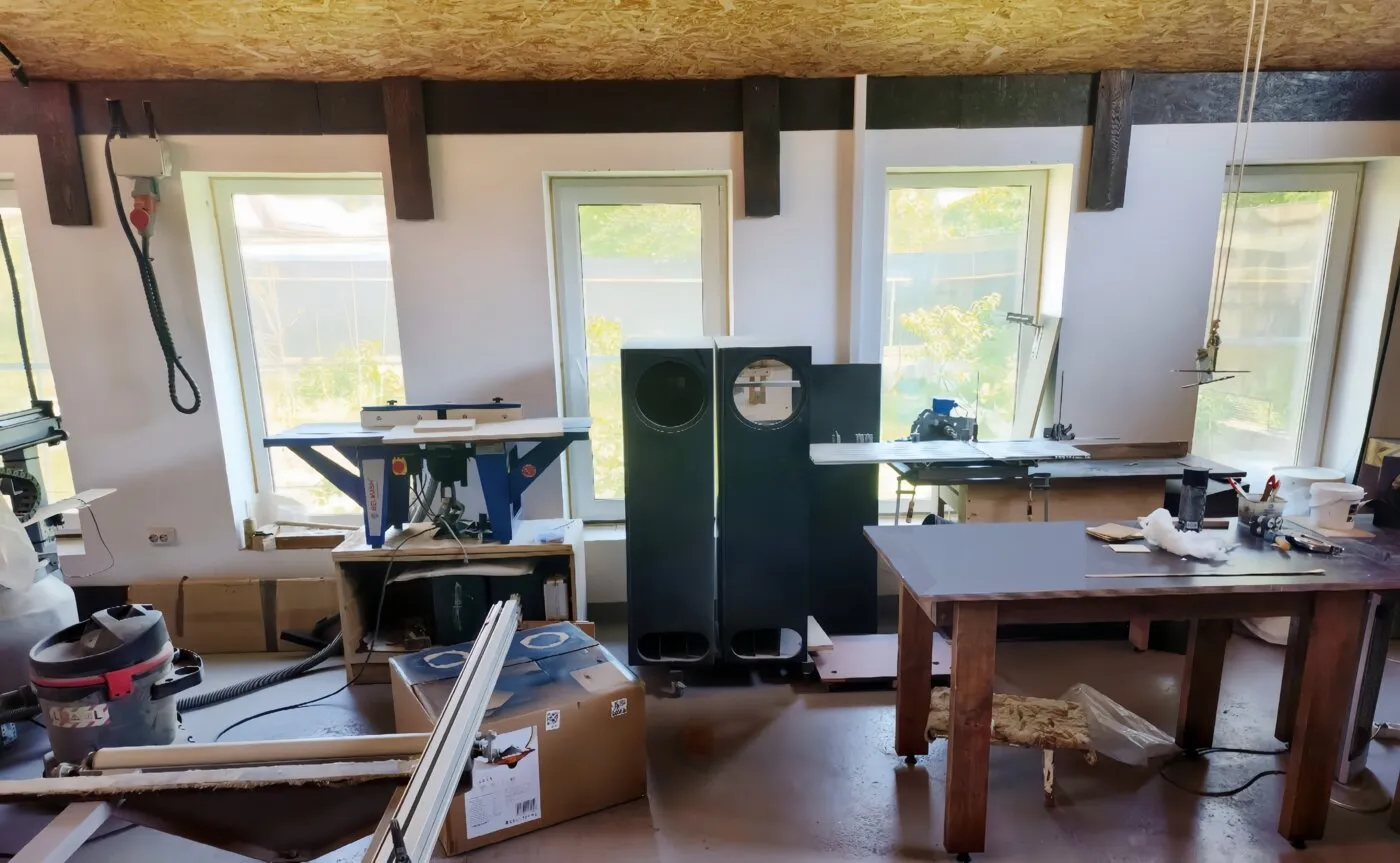
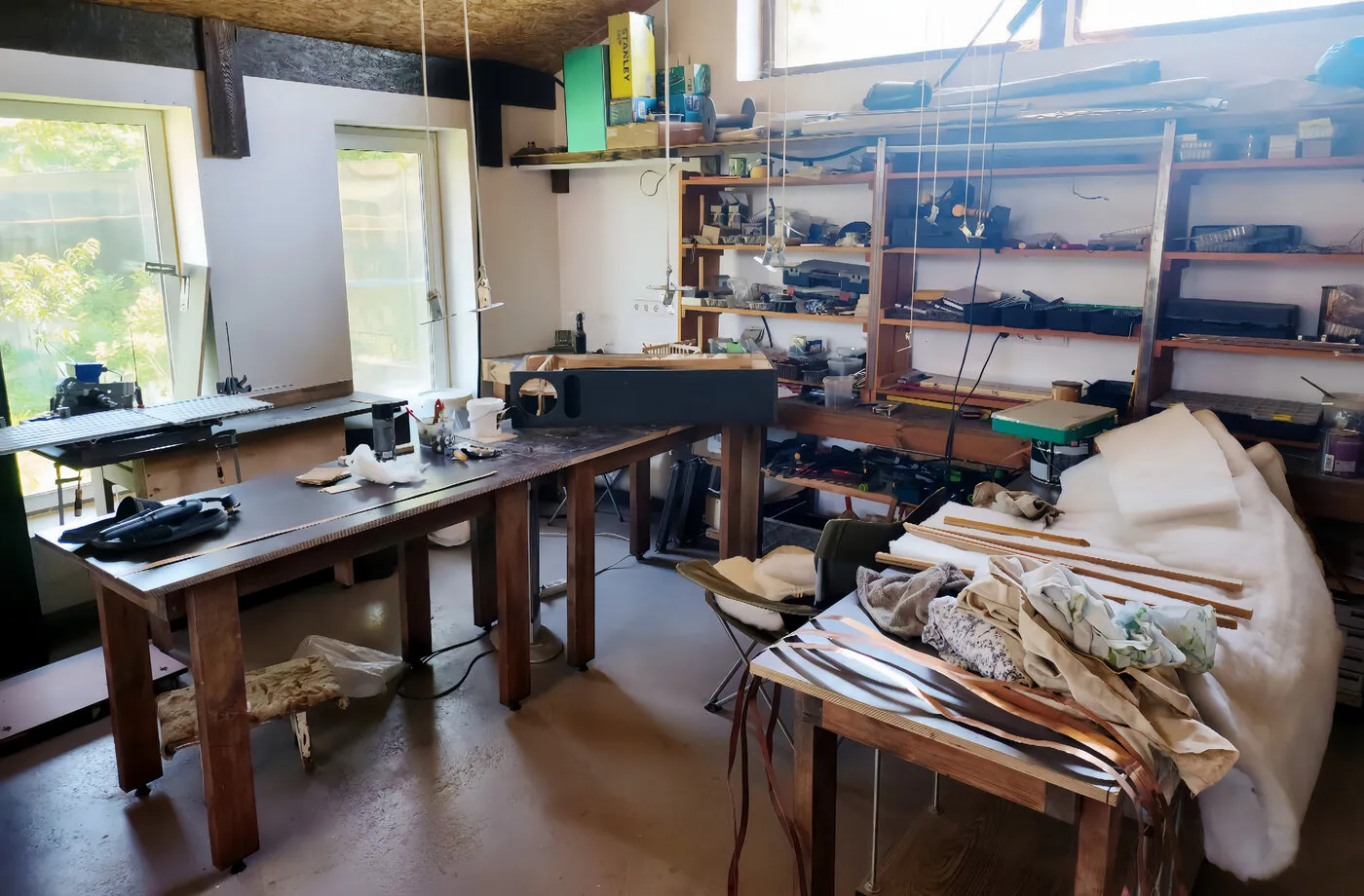
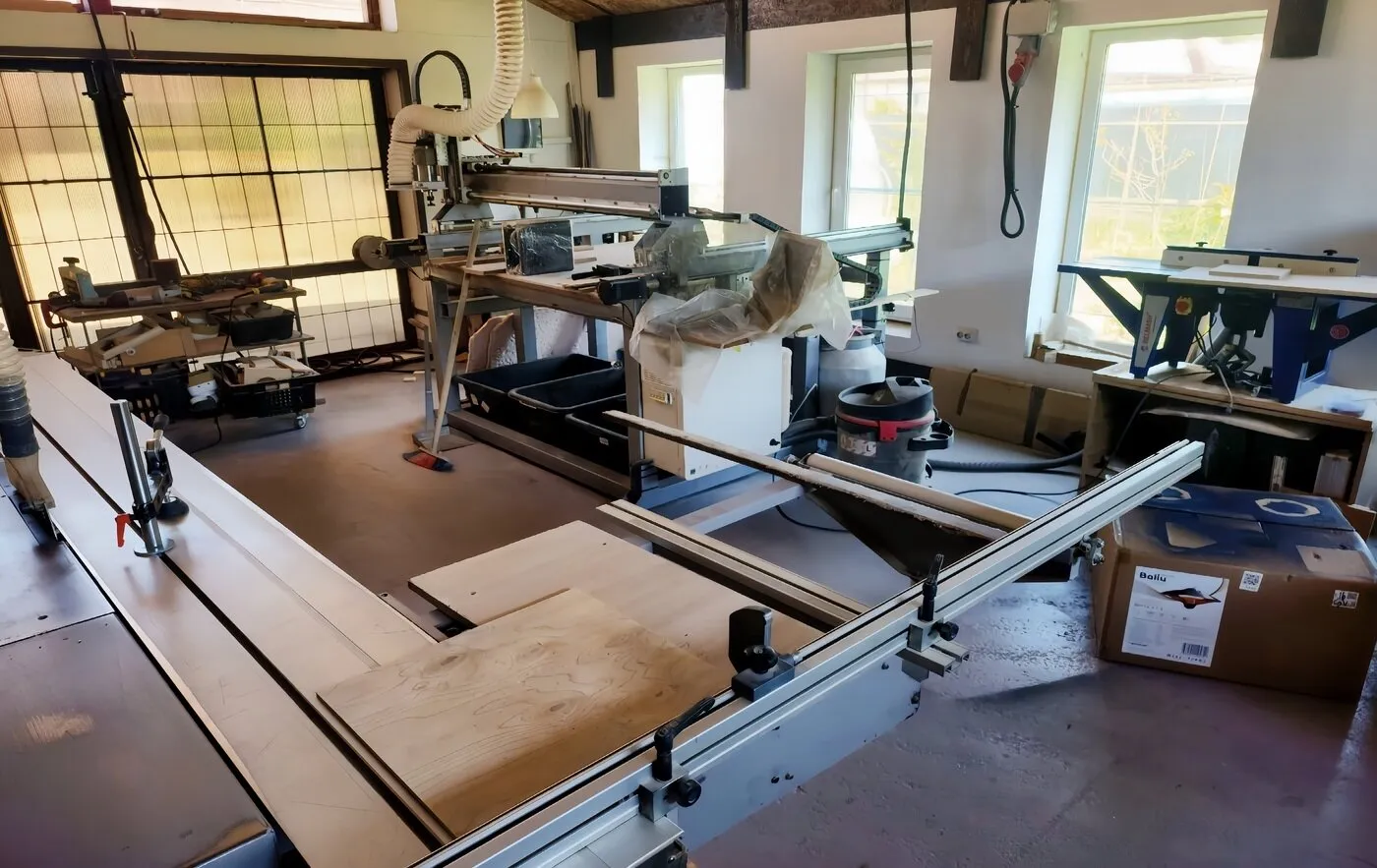
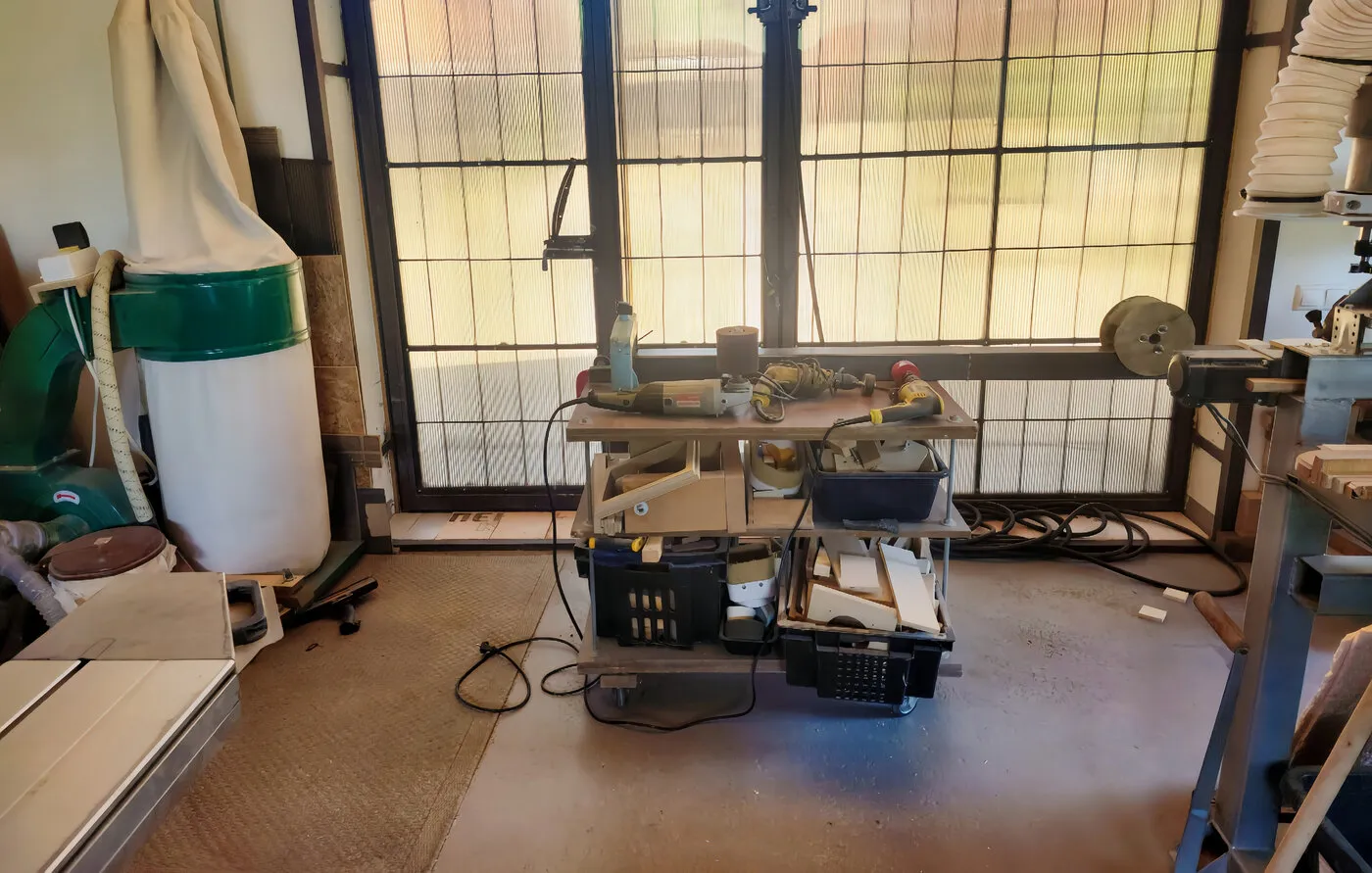
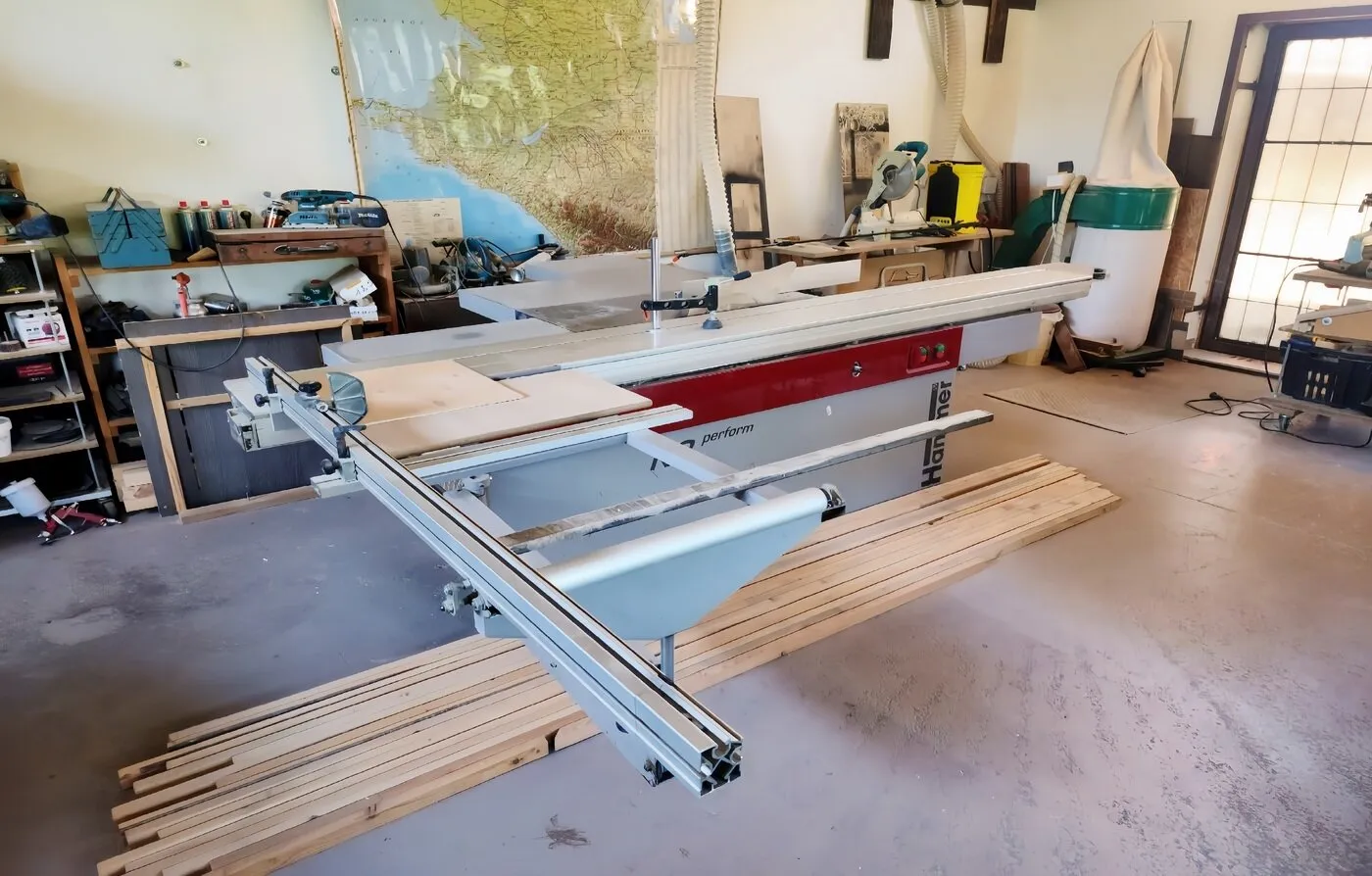
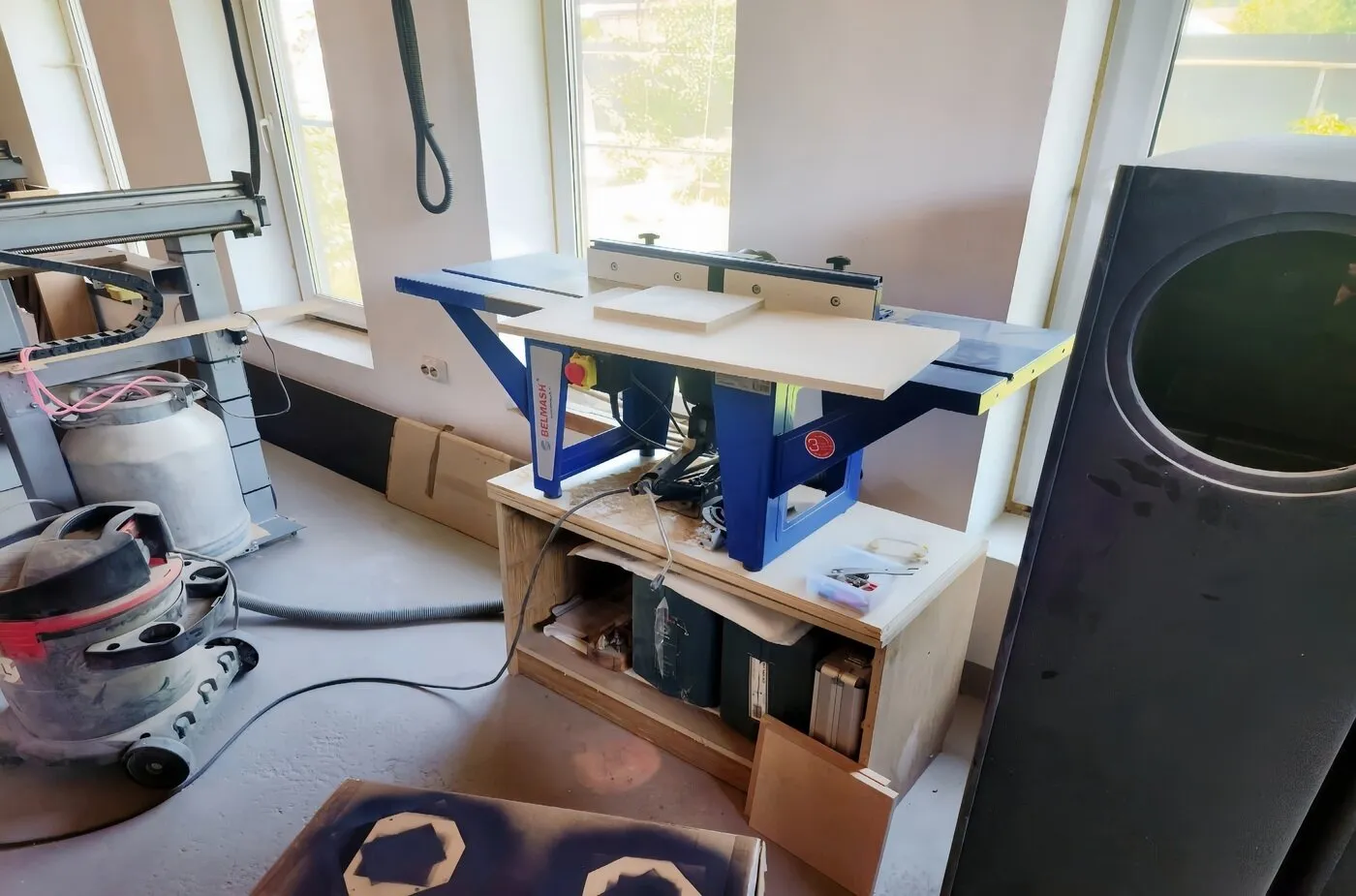
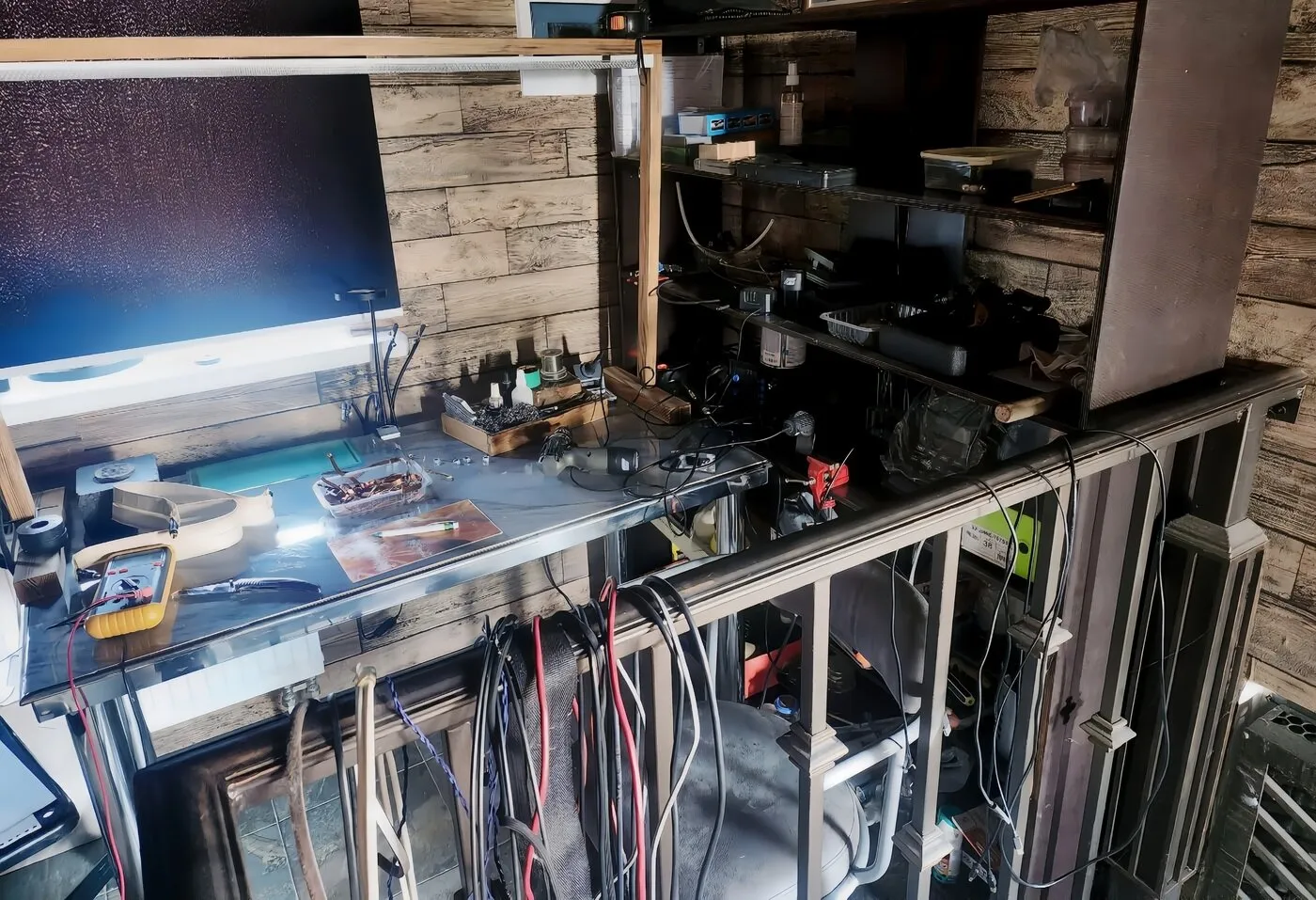
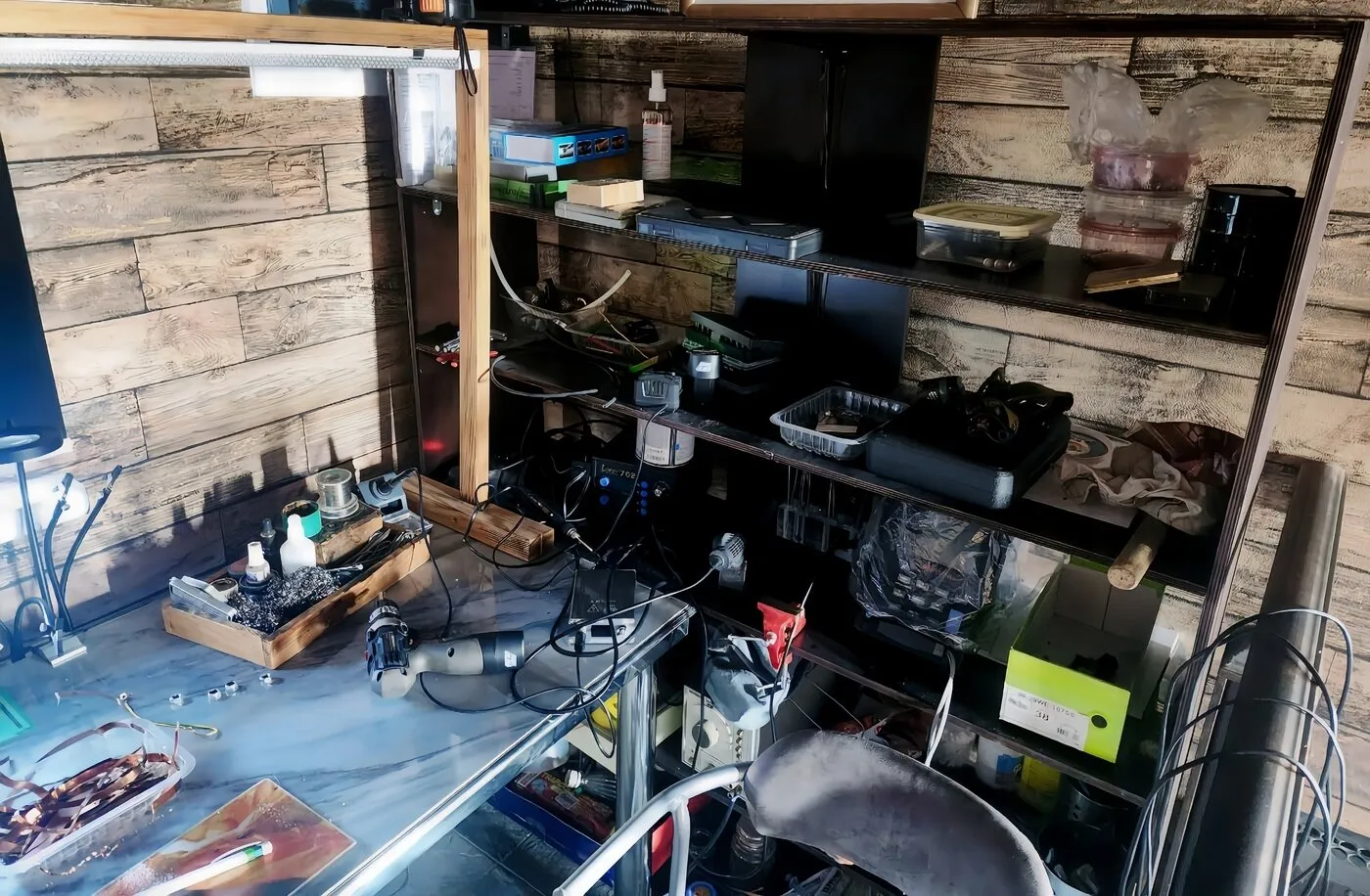
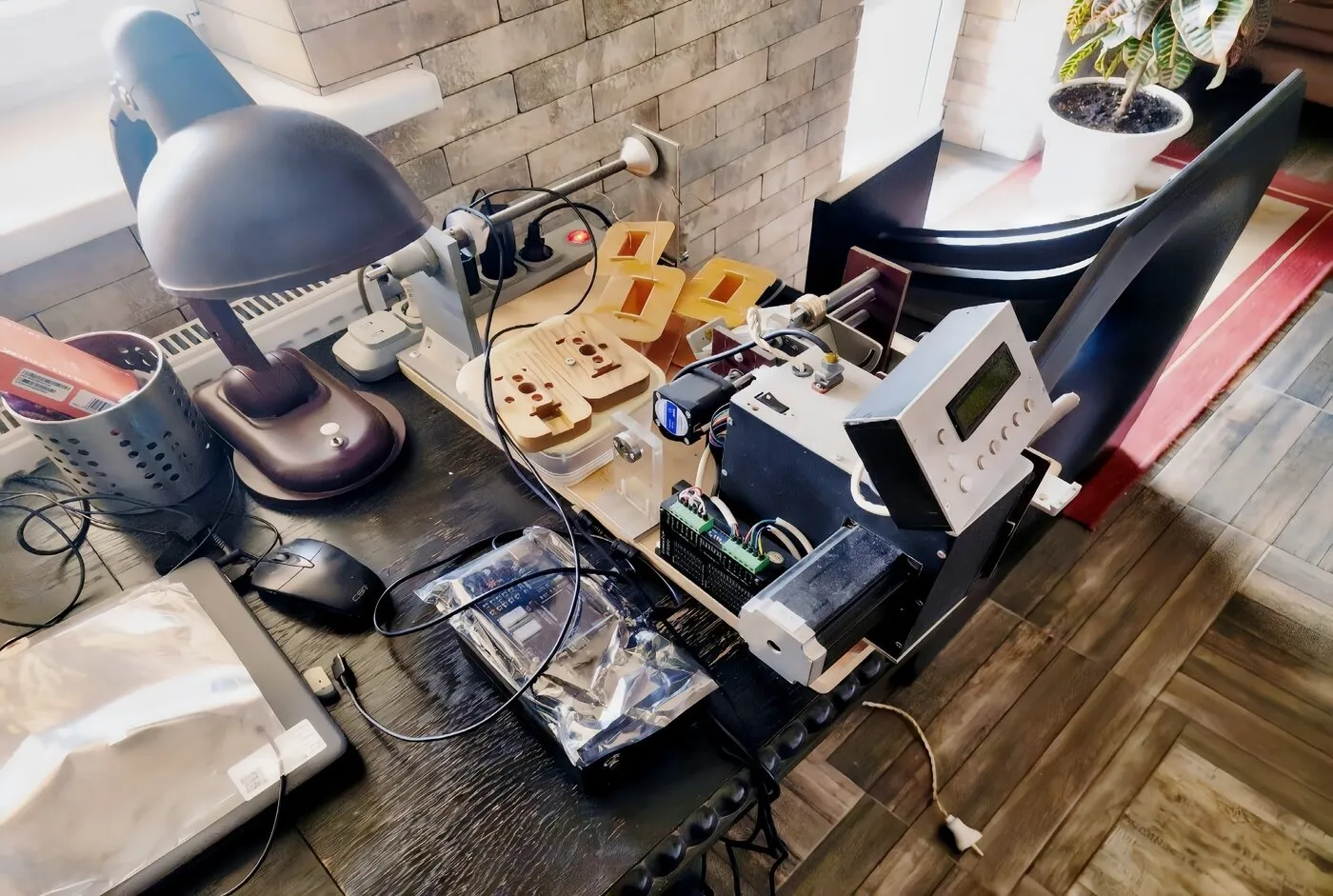
Where it is made
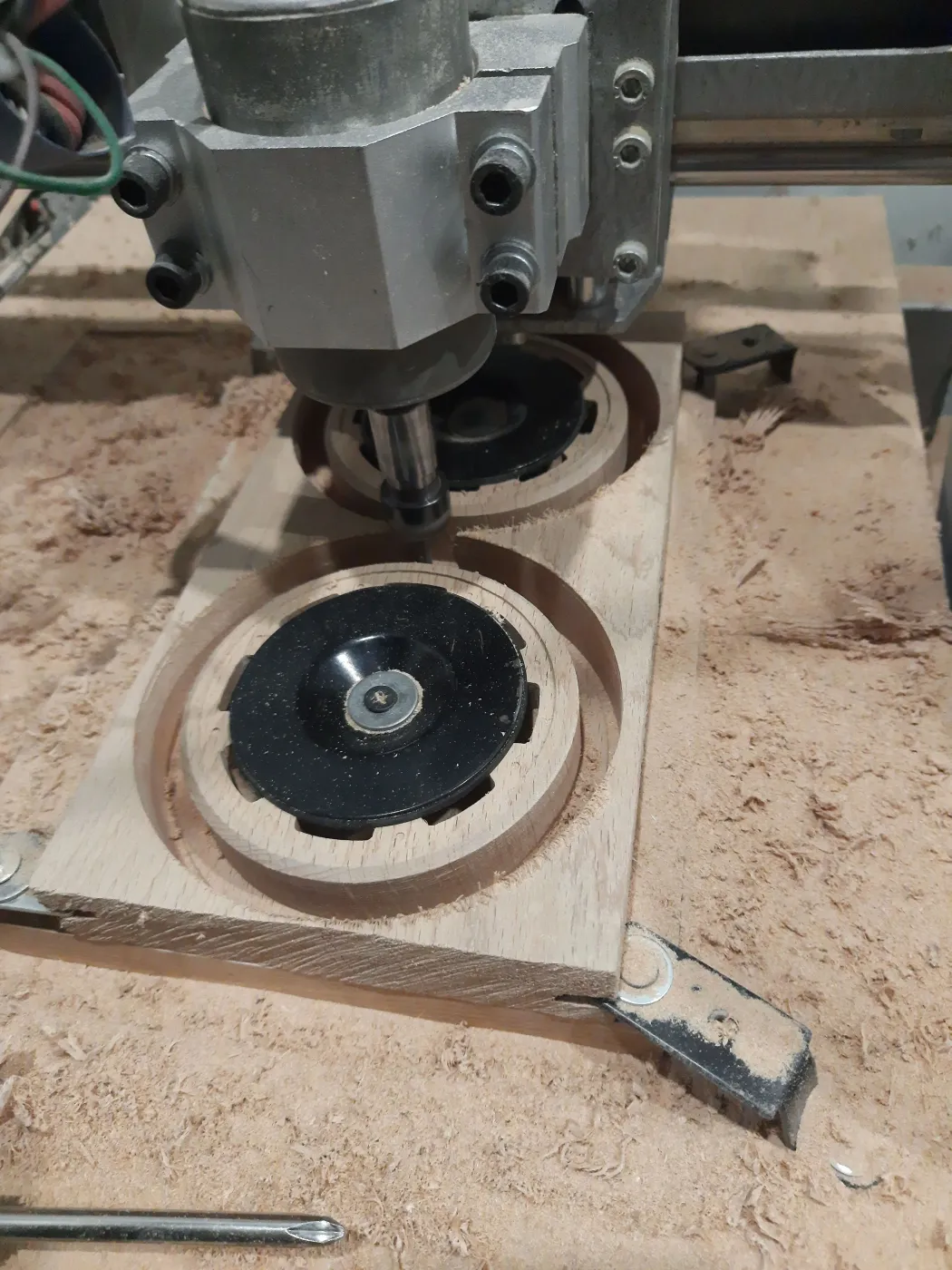
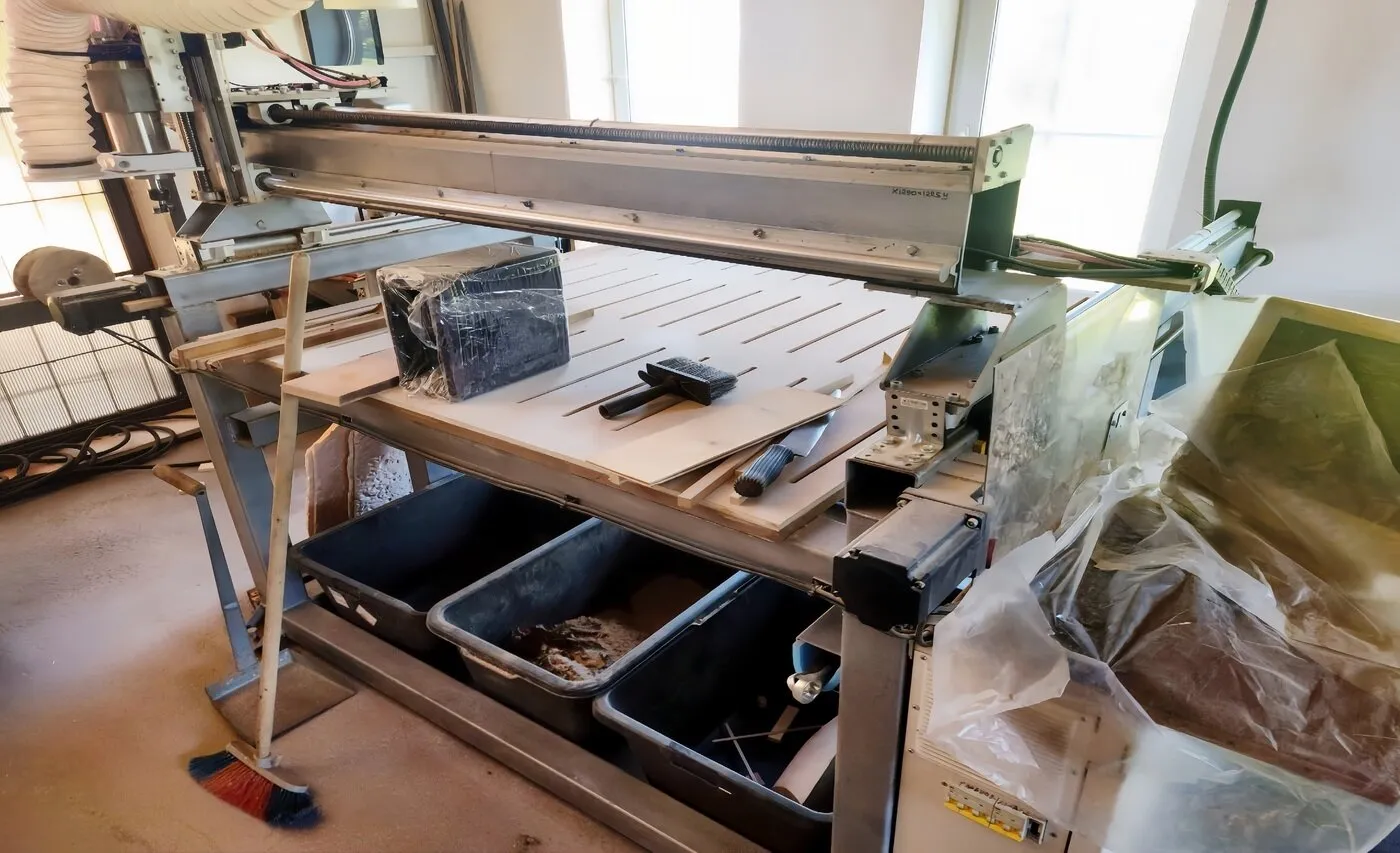
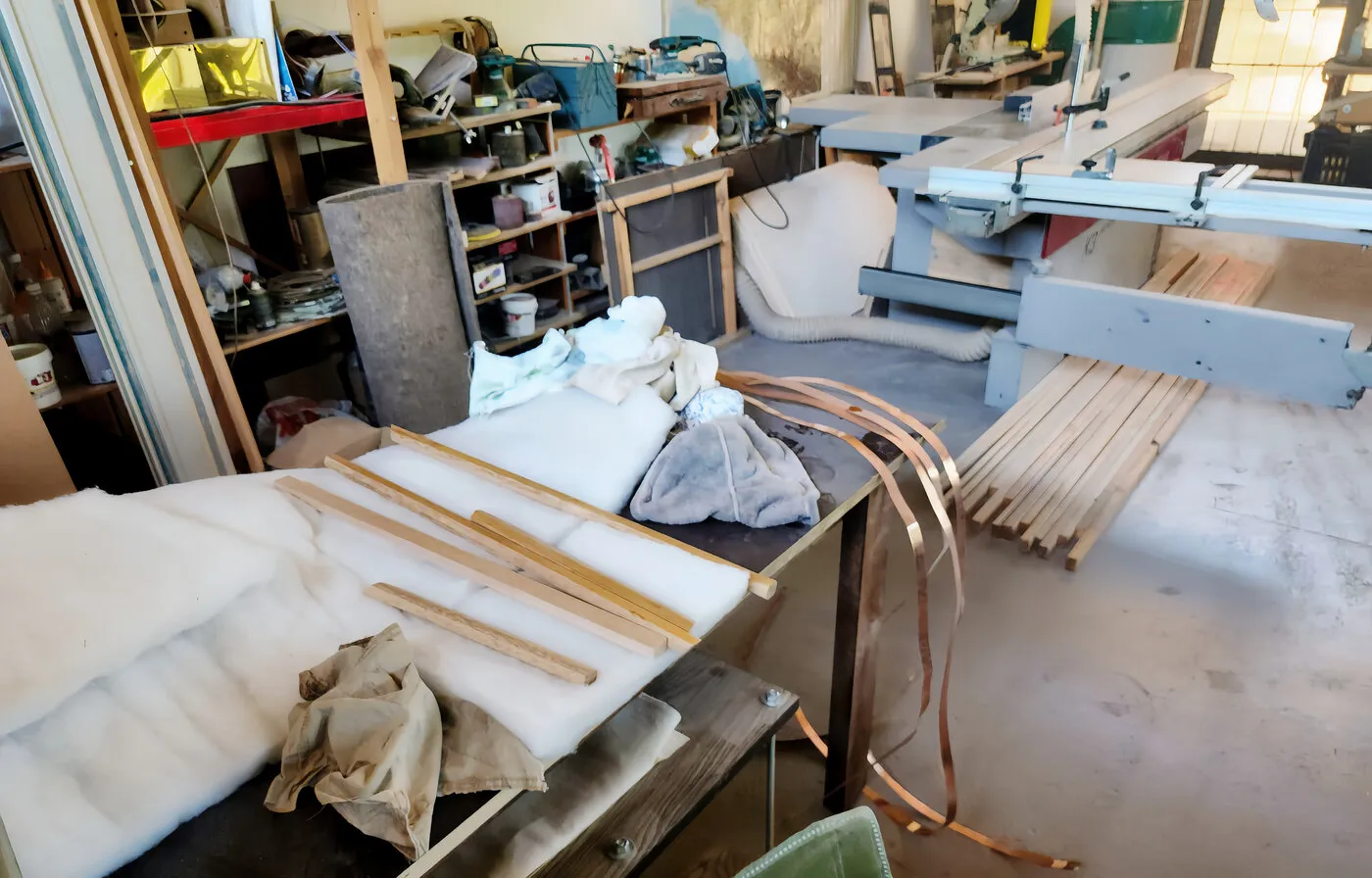
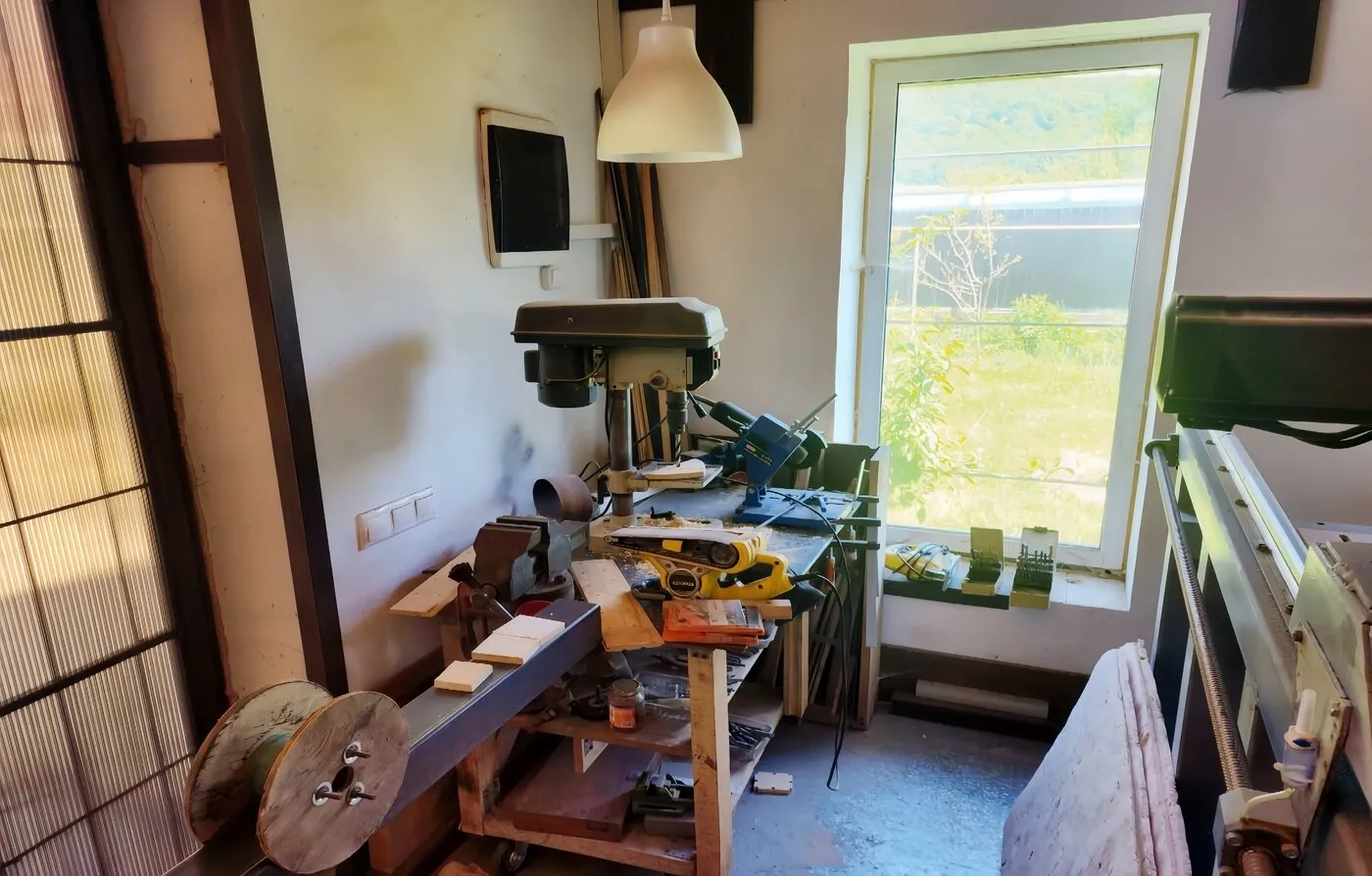
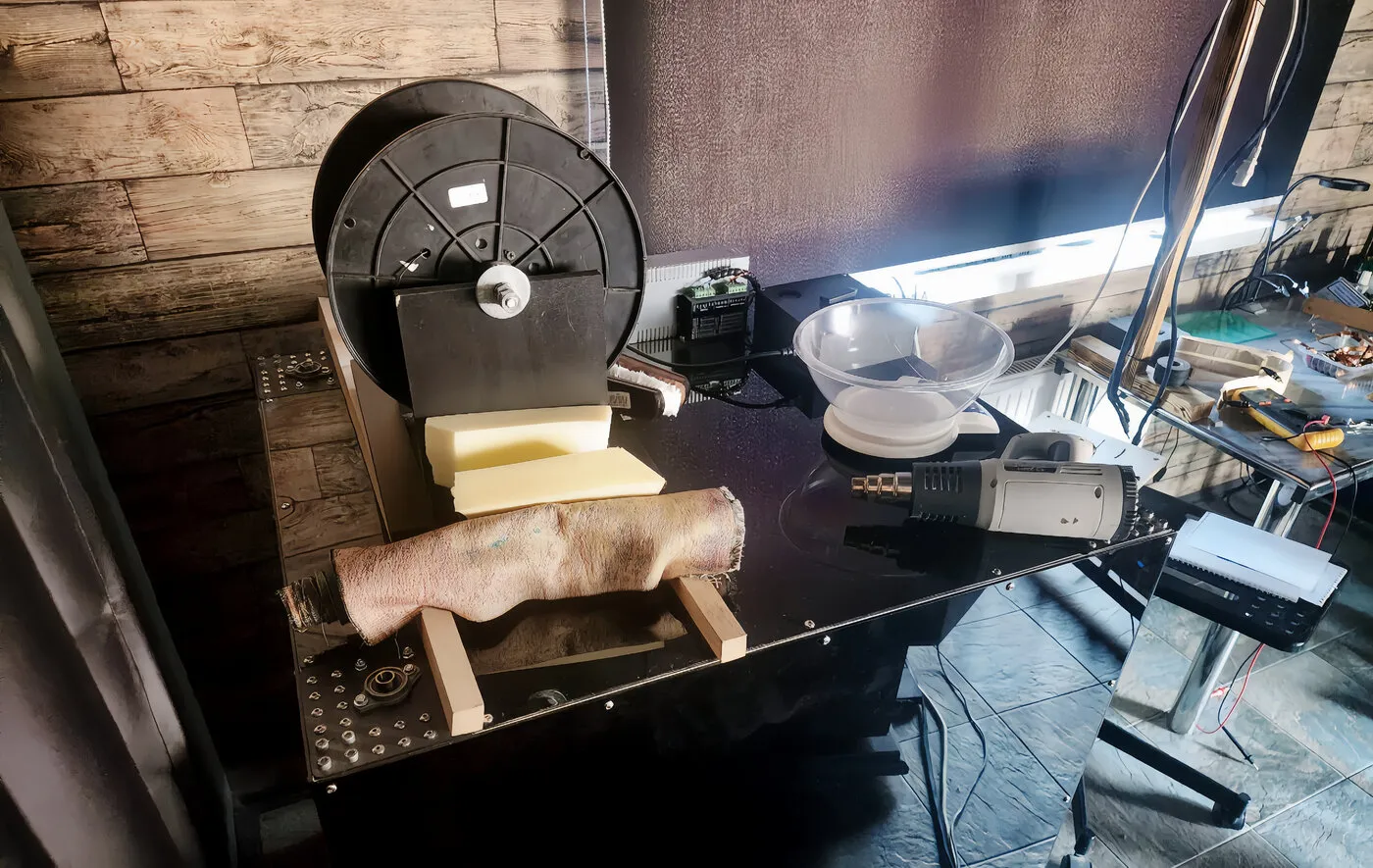
An atelier, not a workshop
Made by Dmitriy Gubchenko. Up to seven units leave the bench each year. That is not a marketing figure; it is how long the work takes.
On the record
What reviewers and owners have written
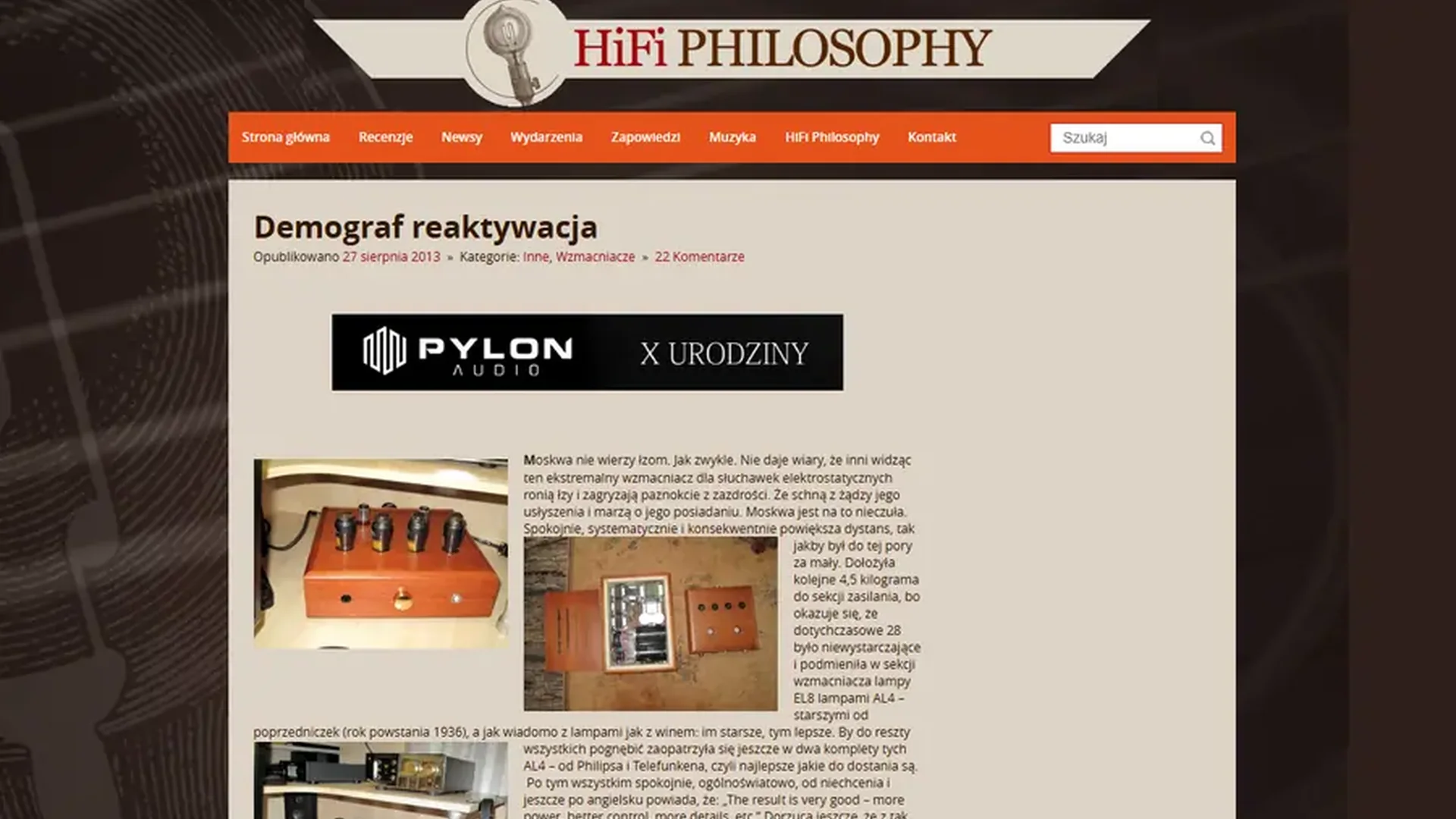
HiFi Philosophy · Poland
A four-part review
Piotr Ryka on the electrostatic amplifier: “an absolutely maximalist design […] with no regard whatsoever for cost.”
Read the review →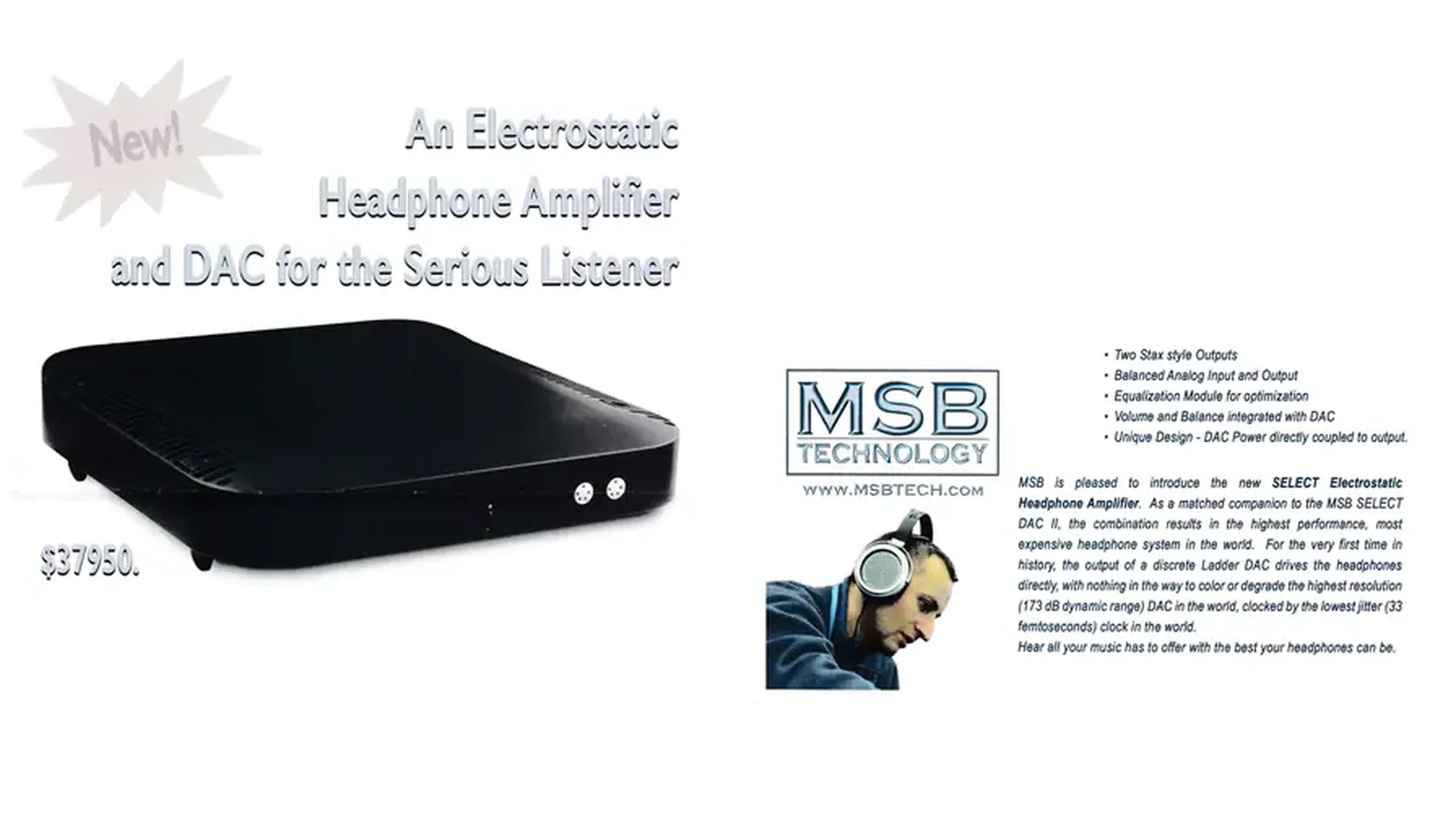
MSB Technology · USA
The listener on the page
When MSB launched its $37,950 SELECT electrostatic amplifier, the listener pictured on its product page was Dmitriy Gubchenko. The community recognised him at once. Dmitriy had no part in the product.
Read the thread →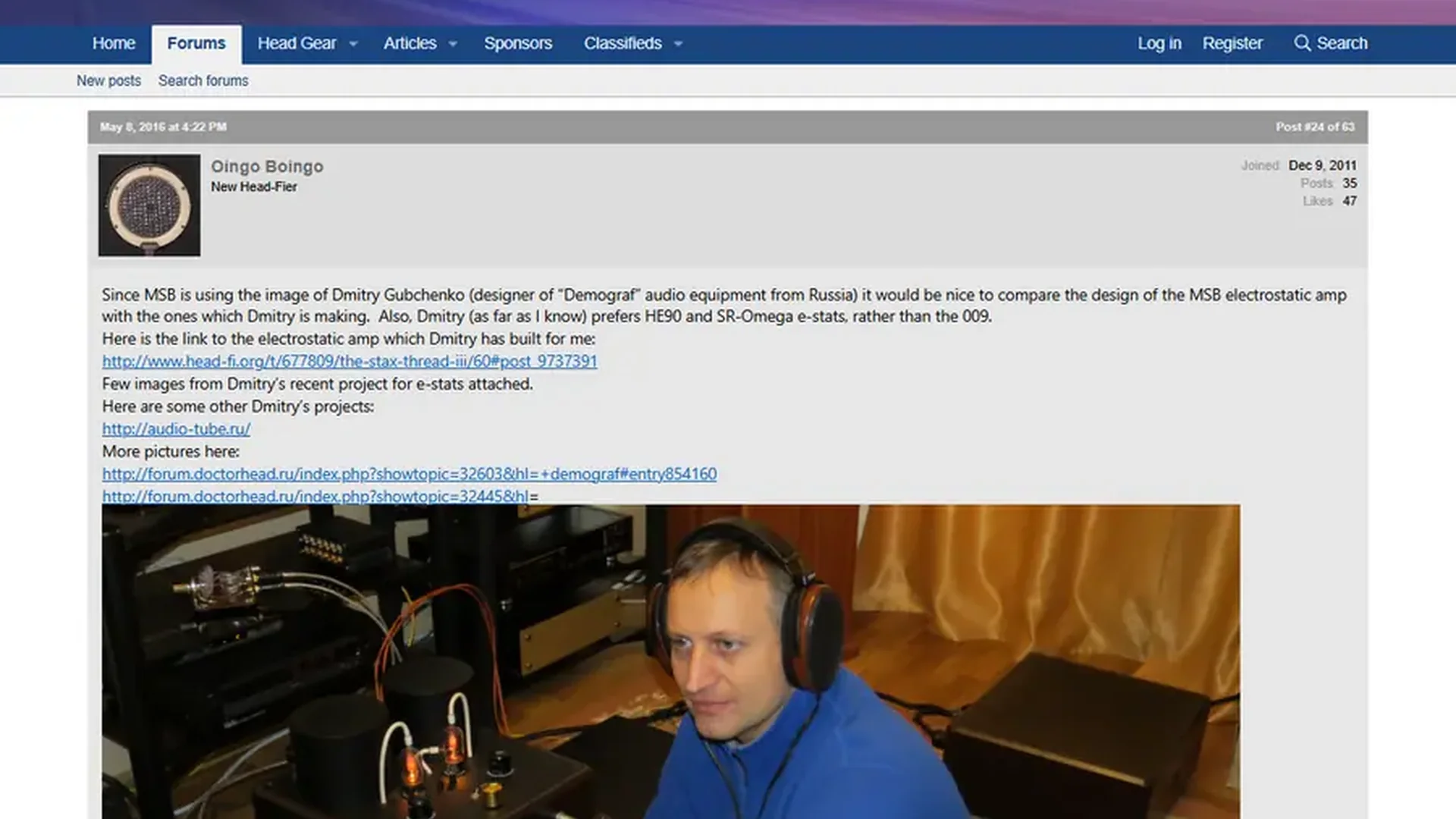
Homecinema-fr · France
« 42 kilogrammes de savoir faire, sans concessions ! »
“42 kilograms of know-how, without compromise.” — the French Stax owners’ thread on the amplifier and its power supply.
Read the thread →How to commission a unit
Built to order. Nothing on the shelf.
A conversation
It starts with a written enquiry and continues in writing with Dmitriy: your room, your music, your headphones or loudspeakers, what you have owned and what you missed in it.
The specification
A written specification for your unit — circuit, tubes, chassis, finish, the system it will drive — and a place on the waiting list.
The build
A 50% deposit reserves your place in the queue; the build starts when your slot comes up. The balance is due only once the unit has passed measurement and listening.
Delivery and set-up
Shipped with its documentation. System matching and installation are arranged where needed — “from the power outlet to the acoustic wave.”
If something goes wrong
We stay with our clients
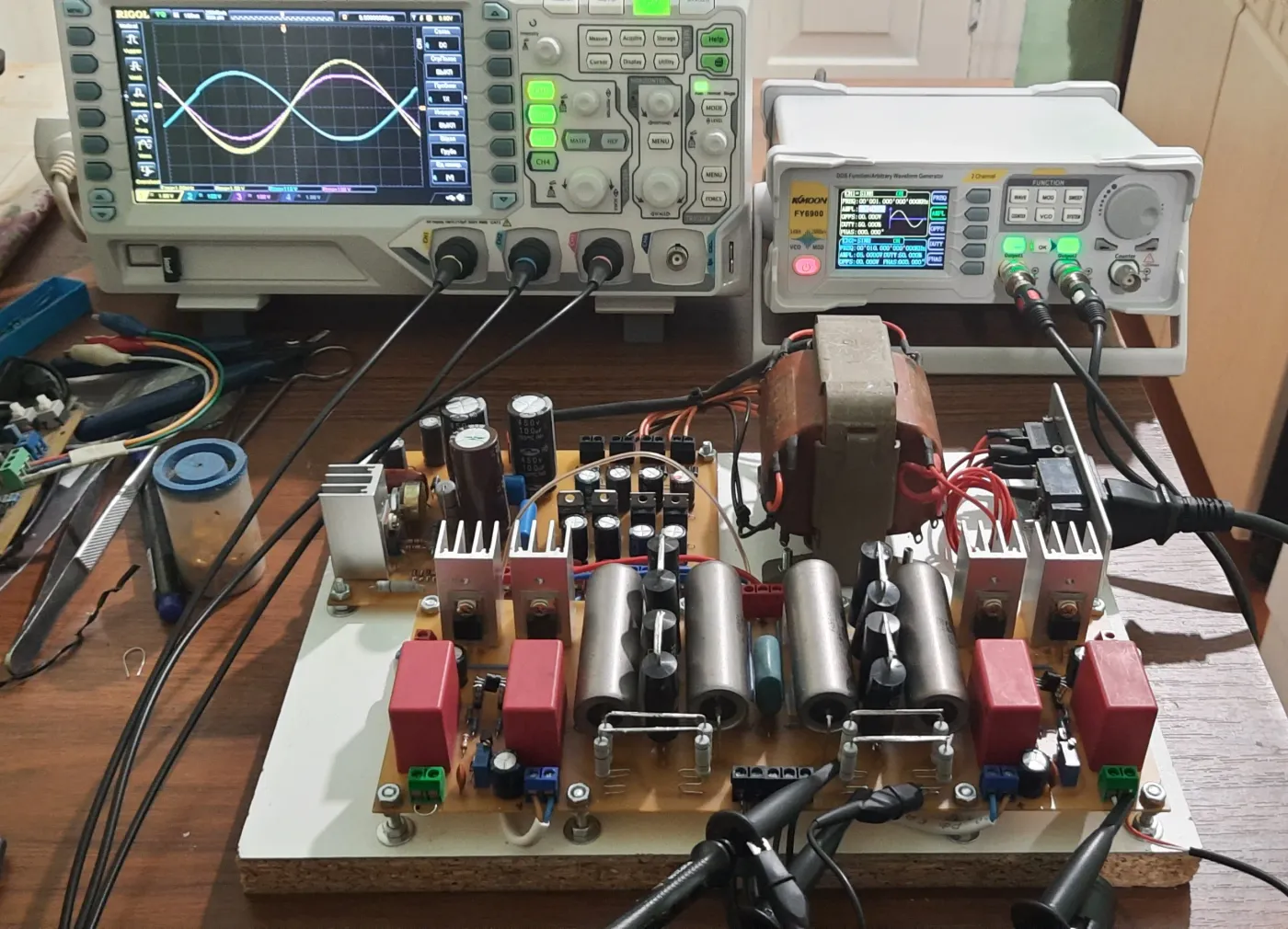
Every unit is measured and documented before it leaves the bench, and it is serviced by the team that built it, from its own records.
A Demograf Audio unit is also a unit that can grow. Owners can upgrade or re-voice the internal architecture of what they already own, and trade a unit up when their system moves on.
Athanor
The Demograf Audio mark
The Athanor mark is on every Demograf Audio unit.
Get in touch
Write to Dmitriy
Tell us about your room, your system and the music you listen to most. Every inquiry is answered by the Demograf Audio team within two working days, and technical questions are answered by Dmitriy himself, in writing. A video call with Dmitriy is included when an order has two or more items, and with every repeat order from a returning customer.
Every Demograf Audio unit is made in Kazakhstan by Dmitriy Gubchenko, who comes to the workshop with his team and oversees the process: assembly, tuning and measurement.

Quotations are reproduced in their original language, with our translation, and are linked to their sources. MSB Technology, Stax, Sennheiser, Kondo, Audio Note, Krell, Marantz, Philips, Unison Research, AER and other names belong to their owners and are mentioned for reference only; no affiliation or endorsement is implied.